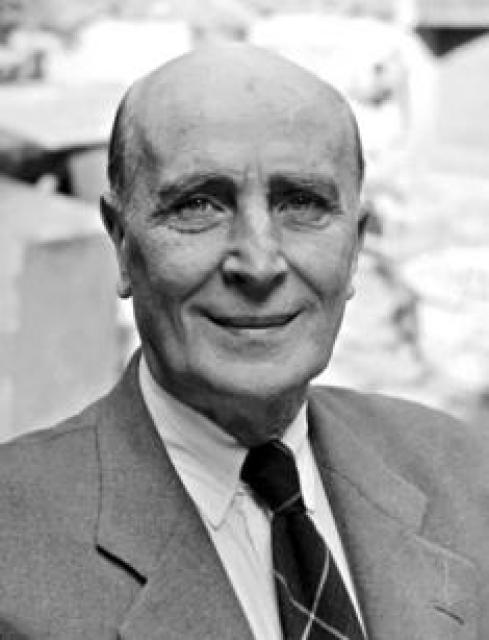
Felix Yusupov
- The Last of the Yusupovs
- Early Life and Education
- The Assassination of Grigori Rasputin
- Exile and Later Life
- Legal Victory and Literary Endeavors
- Personal Life and Legacy
The Last of the Yusupovs
Prince Felix Feliksovich Yusupov, Count Sumarokov-Elston, was the last of the illustrious Yusupov dynasty. He was born on March 23, 1887, in Saint Petersburg, Russia. As the youngest son of Count Felix Sumarokov-Elston and Princess Zinaida Nikolaevna Yusupova, he was the heir to an immense fortune.
Early Life and Education
Yusupov's early life was marked by his mother's eccentricity. She desired a daughter and raised him as a girl, dressing him in pink gowns and teaching him to apply makeup. This unusual upbringing had a profound impact on his later life.
Despite his mother's eccentricities, Yusupov received an excellent education. He graduated from a prestigious private gymnasium and later attended the University of Oxford, where he founded the Russian Society. Throughout his life, he remained a passionate patriot of Russia.
The Assassination of Grigori Rasputin
In 1916, Yusupov played a pivotal role in the assassination of Grigori Rasputin, a controversial monk who had gained undue influence over Tsar Nicholas II and Empress Alexandra. Together with Grand Duke Dmitri Pavlovich and Vladimir Purishkevich, Yusupov lured Rasputin to his palace on the pretext of meeting a beautiful woman. When Rasputin declined to leave Saint Petersburg, Yusupov shot him dead.
The assassination sparked controversy and outrage, and Yusupov faced charges of murder. However, the investigation was halted due to the involvement of Grand Duke Dmitri, a relative of the Tsar. Yusupov was placed under house arrest, but the outbreak of the Russian Revolution in 1917 allowed him to flee to France.
Exile and Later Life
Yusupov spent the rest of his life in exile, living in Malta, London, and Paris. Despite losing his vast fortune, he continued to help Russian refugees. Together with his mother, he established a fund and provided shelter in his own home.
In the 1920s, Yusupov and his wife, Princess Irina Alexandrovna Romanova, opened a fashion house called "Irfée." The house became known for its unique bohemian style and employed aristocrats as models and seamstresses. However, the Great Depression led to its bankruptcy.
Legal Victory and Literary Endeavors
Yusupov became famous for his successful lawsuit against Metro-Goldwyn-Mayer in 1932. The film "Rasputin and the Empress" portrayed his wife as Rasputin's lover. Yusupov sued and won a significant financial settlement. This case set a precedent for the inclusion of disclaimers in films based on real-life events.
Yusupov also published two memoirs: "The End of Rasputin" (1927) and "Mémoires" (1953). These works provided a firsthand account of the events leading up to and following Rasputin's assassination.
Personal Life and Legacy
Yusupov married Princess Irina Alexandrovna Romanova in 1914. They had one daughter, Princess Irina Feliksovna Yusupova. In his later years, Yusupov and his wife adopted an 18-year-old Mexican artist named Victor Manuel Contreras.
Yusupov died on September 27, 1967, in Paris. He was buried at the Russian cemetery in Sainte-Geneviève-des-Bois alongside his mother. His death marked the end of the illustrious Yusupov dynasty.
Prince Felix Yusupov remains a fascinating and controversial figure. His involvement in Rasputin's assassination, his unconventional upbringing, and his later life in exile have all contributed to his enduring legacy. He continues to be portrayed in numerous books, films, and television shows.


