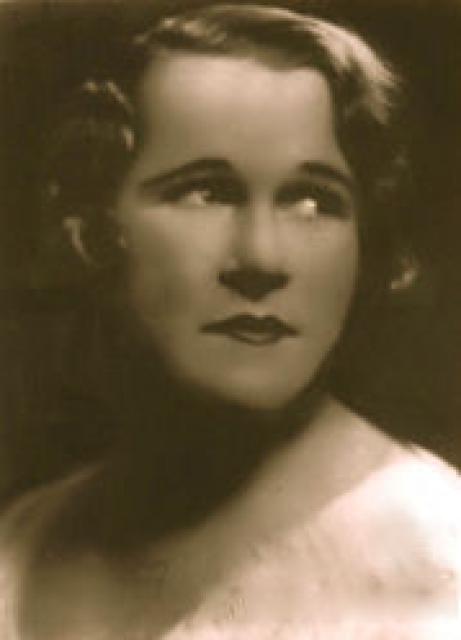
Florence Austral
 Australia
Biography of Florence Ostrel
Florence Ostrel was an Australian opera singer, soprano, best known for her interpretations of complex female roles in the works of Richard Wagner. Despite her success in performing Wagnerian heroines, Florence never had the opportunity to perform at the Bayreuth Festival or the Metropolitan Opera in New York. Many believed that she could only be compared to Kirsten Flagstad, Germaine Lubin, and Frida Leider. While Florence was not particularly known for her acting abilities, her success was primarily attributed to her voice.
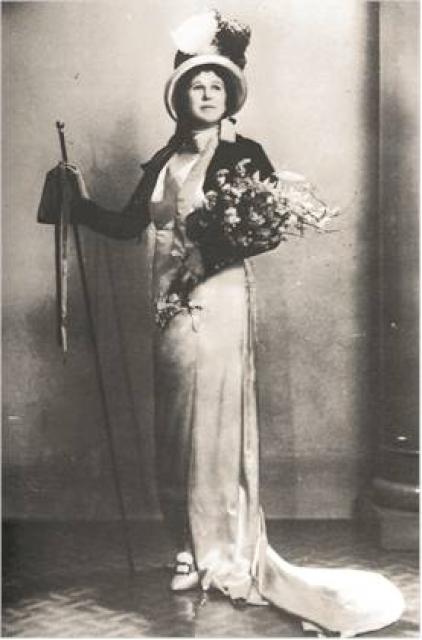
Florence's real name was Florence Mary Wilson, but she adopted the pseudonym Florence Ostrel in 1921 to honor her homeland, Australia. She was born in Richmond, Victoria, Australia to Wilhelm Lindholm, a Swedish carpenter, and Helena Mary Lindholm, a seamstress. Florence's father passed away in 1895, and her mother later remarried a Syrian man named John Fawaz, whose surname Florence eventually took.
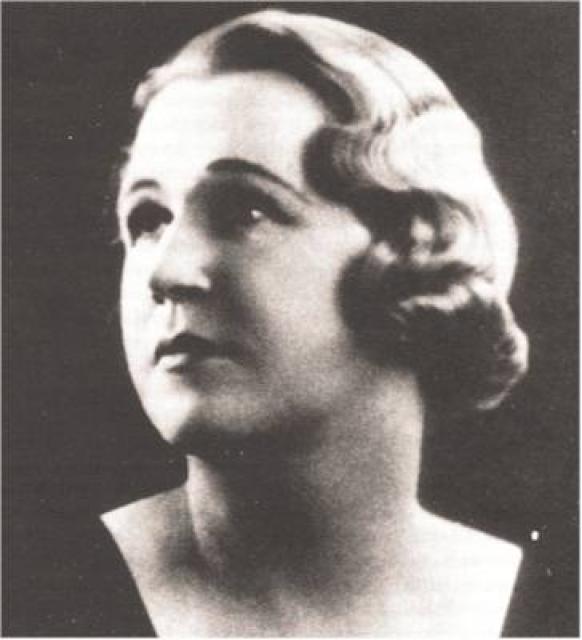
Florence's vocal talent was discovered by Edward Sugden, the director of a local church choir. In 1914, she won first prize in both the soprano and mezzo-soprano categories at a vocal competition in Ballarat, which helped her secure a scholarship to study under Elise Wiedermann. In 1919, Florence traveled to New York to continue mastering her vocal skills under the guidance of Gabriele Sibella.
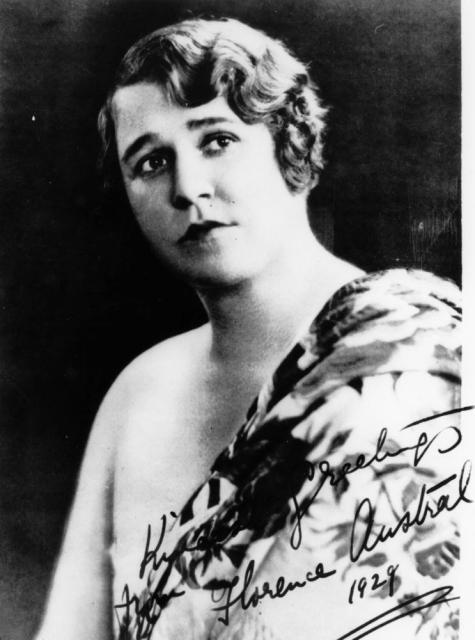
Her voice captivated many music enthusiasts, and she was soon offered a contract with the Metropolitan Opera. However, Florence declined the offer as she had plans to further her education in England. Unfortunately, she did not receive any more offers from the renowned New York theater in the future.
In London, Florence quickly established herself as an extremely talented singer. On May 16, 1922, she performed the role of Brünnhilde in Richard Wagner's "Die Walküre" at Covent Garden. In 1930, she became one of the leading vocalists at the Berlin State Opera, but her career began to decline due to the onset of multiple sclerosis.
Despite her illness, Florence continued to perform in concerts and expanded her repertoire with German lieder. She refused to completely part ways with opera and continued to rehearse familiar roles and perform in various productions. In 1939, she returned to Britain, where she actively participated in charitable concerts at the beginning of World War II.
However, her progressing illness forced her into retirement in 1940. In 1946, Florence, almost paralyzed from multiple sclerosis, returned to Australia. The income from her previous recordings gradually diminished, and she earned a living by teaching vocal lessons.


