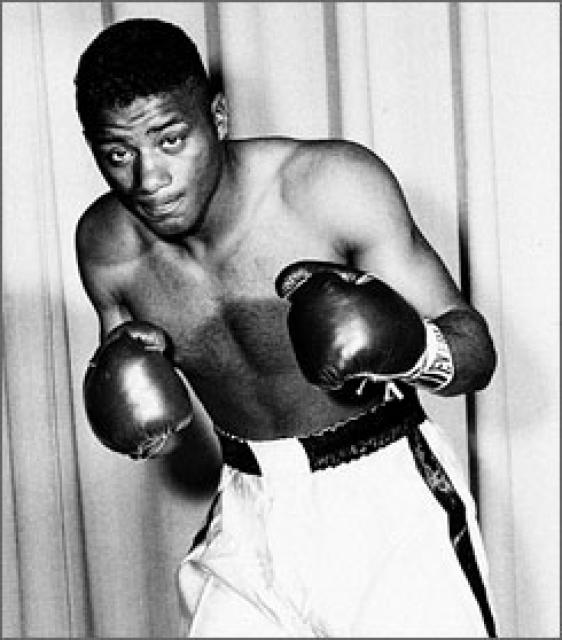
Floyd Patterson
 USA
USA- Biography of Floyd Patterson
- Professional Career and World Championships
- Famous Fight with Sonny Liston
- Later Life and Legacy
Biography of Floyd Patterson
Floyd Patterson was an American boxer, a two-time world heavyweight champion. At the age of twenty-one, Patterson became the youngest holder of this title; shortly after, he became the first athlete to regain it. He had fifty-five wins, eight losses, and one draw, with forty knockouts. In 1952, Patterson won the gold medal for the United States at the Olympic Games, competing in the middleweight division. He was born into a poor family in Waco, North Carolina and was the youngest of eleven children. Patterson's childhood was quite difficult. At some point, his family moved to Brooklyn, New York, where he skipped school and picked the pockets of strangers. At the age of ten, Patterson was sent to the Wiltwyck School for Boys, which he credits with changing his life. He spent two years at the school. At the age of fourteen, Patterson started boxing and was trained by Cus D'Amato at the Gramercy gym. In 1952, Floyd competed in the Olympics in Helsinki, winning the gold medal in the middleweight category. Overall, 1952 was an extremely successful year for Patterson. In addition to the Olympic gold, he won the National Amateur Championship and the New York Golden Gloves Championship. During this time, Patterson lived in Rockville Centre, New York. Throughout his amateur career, Patterson participated in forty-four fights, winning forty of them, with thirty-seven by knockout. He became known for holding his hands higher than most of his opponents, a stance that commentators called "intimidating."
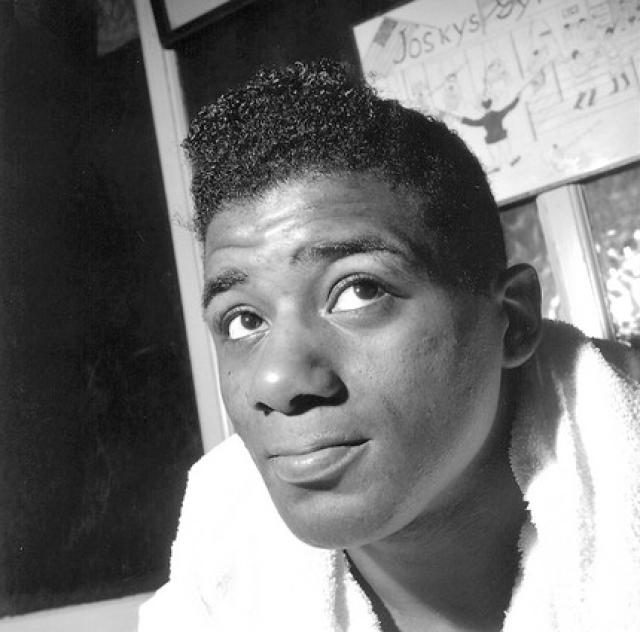
Professional Career and World Championships
Once he turned professional, Patterson quickly accumulated points. At the beginning of his career, Patterson was only defeated once by former champion Joey Maxim on June 7, 1954. Although Patterson fought in the light heavyweight division, both he and his manager, Cus D'Amato, had plans to move up in weight. D'Amato announced these plans in 1954, stating that Patterson planned to become the heavyweight champion. When Rocky Marciano announced his retirement from the heavyweight champion position on April 27, 1956, Patterson was considered by "Ring" magazine as the best contender in his weight category. After Marciano's departure, Jim Norris of the International Boxing Club announced that Patterson would be one of six boxers to compete for the vacant title. This marked Patterson's transition to the heavyweight division. In the first round of the tournament, Patterson successfully defeated Tommy "Hurricane" Jackson, and his next opponent was champion Archie Moore. Patterson knocked out Moore in the fifth round, becoming the youngest heavyweight champion in history at the age of twenty-one years and ten months. Additionally, Floyd became the first Olympic gold medalist to become a professional heavyweight champion. After a series of fights with Jackson, Pete Rademacher, Roy Harris, and Brian London, Patterson faced Ingemar Johansson. On June 26, 1959, Johansson took the title from Patterson, knocking him out. The referee stopped the fight after Johansson sent Floyd to the canvas for the seventh time in a row. Johansson became the first Swede to win the heavyweight title and the first European to defeat an American in a fight for that title. On June 20, 1960, a rematch took place, and Patterson knocked out Johansson in the fifth round, becoming the first boxer to regain the heavyweight title. Johansson had a tough time in this fight - judging by the force of the fall, he landed on the canvas already unconscious. Blood was coming out of his mouth, his left foot was trembling, and his eyes were glazed over. Naturally, he couldn't get up before the end of the count; it took him five minutes to finally get up from the ring. The third fight between Floyd and Ingemar took place on March 13, 1961. Although the Swede managed to knock down his opponent, the victory by knockout went to Floyd.
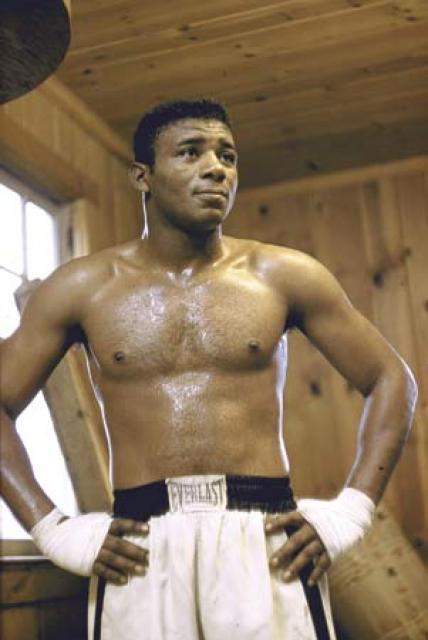
Famous Fight with Sonny Liston
The most famous episode of Patterson's career, however, was his fight with Sonny Liston. Liston was one of the main contenders for the title held by Floyd, but their first fight could not take place. This was due to D'Amato, who stubbornly refused to pit his protege against an opponent rumored to have connections to the mafia. Eventually, when financial matters became particularly acute, Floyd parted ways with D'Amato and faced Liston in the ring. Liston was considered the most likely winner of this battle. Floyd had his supporters, including Rocky Marciano and Ingemar Johansson. However, many simply did not want this fight to happen. The main problem was Liston's connections to criminal circles - a victory for such a boxer could seriously damage the reputation of the sport as a whole. According to rumors, even John F. Kennedy himself recommended that Floyd not fight Liston. Liston defeated Patterson on September 25, 1962, knocking him out in the first round. In general, the boxers were vastly different - Patterson relied on speed and agility, while Liston relied on size and strength. Unfortunately, for some unknown reason, Floyd did not attack frequently enough and stubbornly tried to engage in clinches. As a result, one of the three fastest knockouts in the history of the sport occurred, significantly damaging Floyd's reputation. The rematch was scheduled for April 1963, but Liston injured his knee, and the fight was postponed until July 22. Unfortunately, Patterson was knocked out again, this time in the first round. The only consolation was that Floyd lasted four seconds longer in this fight.
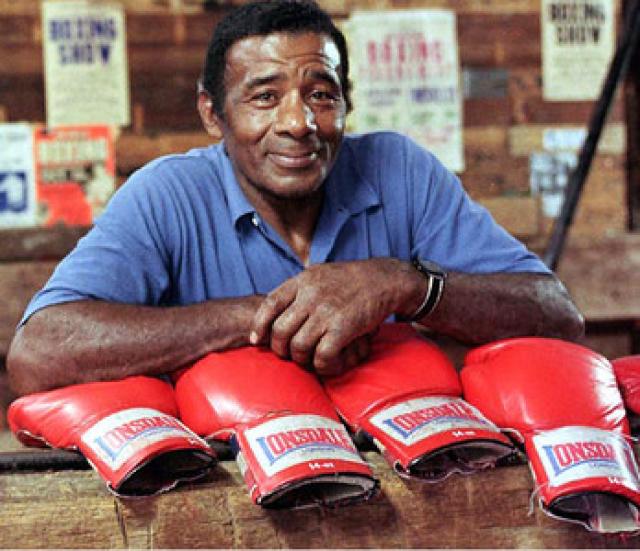
Later Life and Legacy
For some time, Floyd continued to box, but on September 20, 1972, he decided to retire from the sport. He died at the age of seventy-one from prostate cancer and Alzheimer's disease.



