
Folke Bernadotte
 Sweden
- Biography of Folke Bernadotte
- Diplomatic and Humanitarian Contributions
- Early Life and Military Career
- Role in the Liberation of Prisoners
Biography of Folke Bernadotte
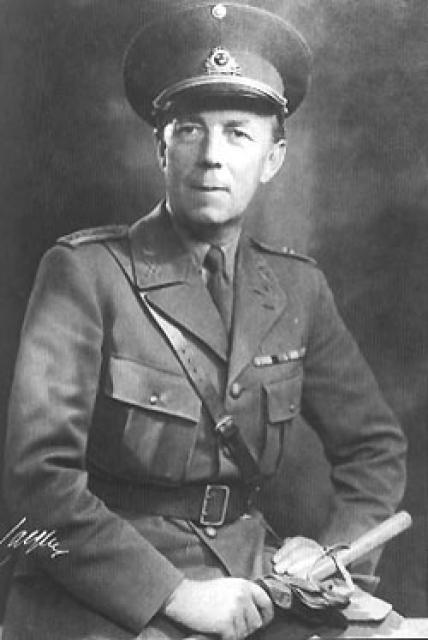
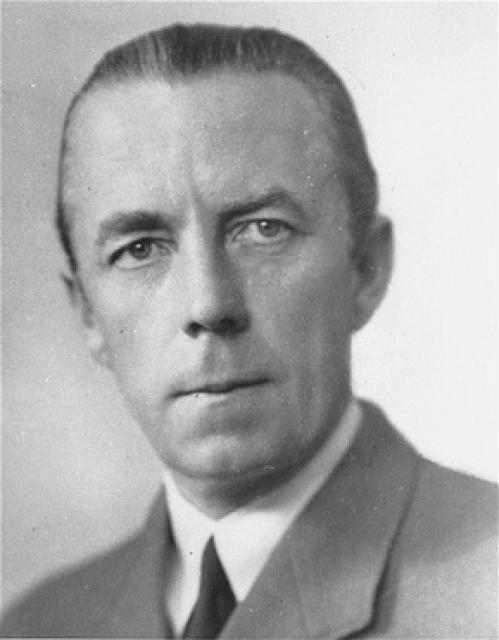
Folke Bernadotte was a Swedish diplomat and aristocrat, known for his role as a representative of the aristocratic Bernadotte family, which has its origins in Napoleon Bonaparte's marshal Jean-Baptiste Jules Bernadotte. He held the title of Count of Wisborg. Bernadotte was born on January 2, 1895, in Stockholm, Sweden, the son of Count Oscar Bernadotte of Wisborg and his wife Ebba Munck af Fulkila. He was also the grandson of Swedish King Oscar II.
Diplomatic and Humanitarian Contributions
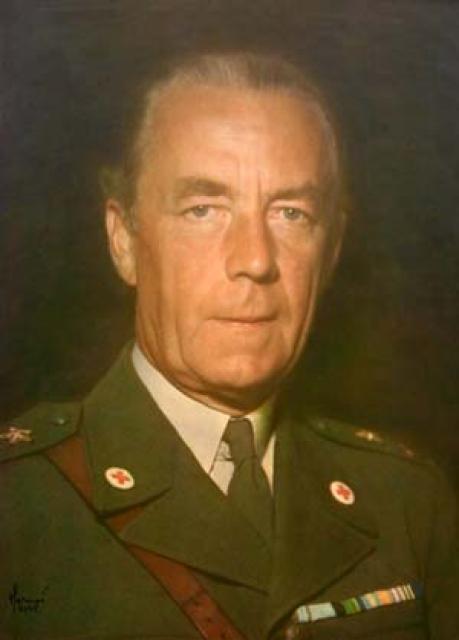
Bernadotte was one of the leaders of the International Red Cross Committee and played a significant role in negotiating the release of approximately 31,000 prisoners from German concentration camps during World War II. This included the release of 423 Danish Jews from Theresienstadt on April 14, 1945. He also served as the Vice-President of the Red Cross and attempted to negotiate a ceasefire between Germany and the Allied powers.
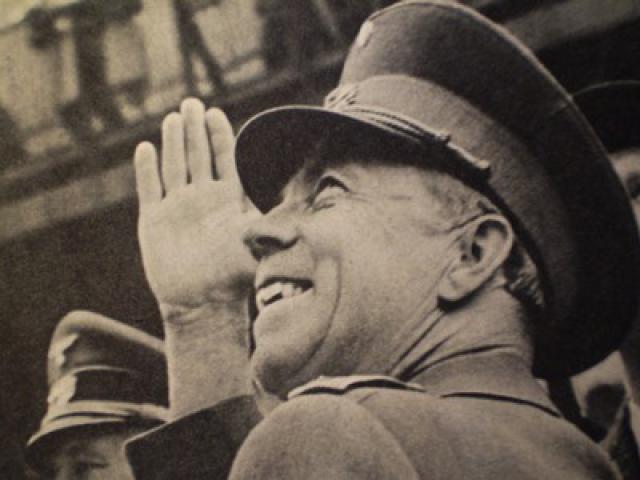
After the war, Bernadotte was unanimously chosen as the United Nations Security Council's mediator in the Arab-Israeli conflict from 1947 to 1948. However, he was tragically assassinated in Jerusalem in 1948 by the Zionist terrorist group Lehi while carrying out his official duties.
Early Life and Military Career
Folke Bernadotte received his education in Stockholm and later attended the Military Academy Karlberg to become a cavalry officer. He passed his exam in 1915 and served as a lieutenant, eventually rising to the rank of major.
During his career, Bernadotte represented Sweden's interests at the 1933 Chicago World's Fair and served as the Swedish Commissioner-General at the 1939-1940 New York World's Fair. He also worked with the Swedish Boy Scouts and became the director of the organization in 1937.
During World War II, Bernadotte assisted in the defense planning of Sweden and trained scouts in combating enemy aviation. In 1943, he was appointed as the Deputy Chairman of the Swedish Red Cross.
Role in the Liberation of Prisoners
Bernadotte's involvement in negotiations with Heinrich Himmler led to the liberation of thousands of prisoners from concentration camps. His mission, known as the "White Buses," involved transporting prisoners on white buses marked with the Red Cross emblem. Despite facing political difficulties and the dangers of being in areas targeted by Allied bombings, Bernadotte and his colleagues successfully rescued around 15,000 individuals, including Danish, Norwegian, French, Polish, Czech, British, American, Argentine, and Chinese women.
After the war, Bernadotte became the President of the Red Cross in 1946. He continued his mediation efforts in the Arab-Israeli conflict, ultimately presenting a plan for joint Israeli-Jordanian governance of Palestine. However, his proposal was rejected by both sides, and hostilities resumed.
On September 1, 1948, Bernadotte was assassinated by a member of the Lehi organization disguised as an Israeli soldier. The fact that he was killed by Lehi was only officially recognized 30 years later.


