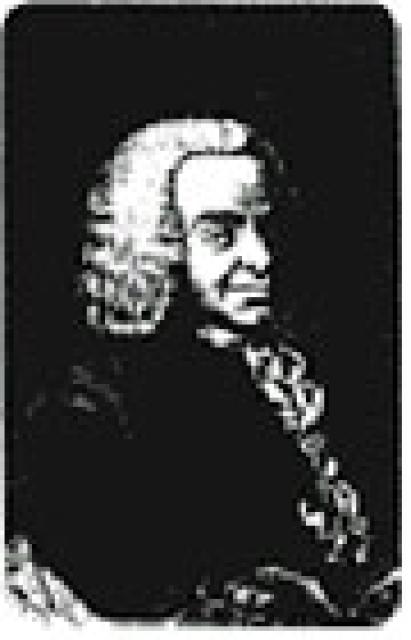
Francois Quesnay
 France
- François Quesnay: Father of Physiocrats
- Economic Theories
- Physiocrats and Laissez-Faire
- Economic Circulation
- Influence on Keynes
- Other Works and Legacy
- Death and Recognition
François Quesnay: Father of Physiocrats
Early Life and CareerBorn on June 4, 1694, in Méré, France, François Quesnay initially pursued medicine, becoming a renowned surgeon. In 1744, he was appointed court physician to King Louis XV.
Economic Theories
Despite his success as a surgeon, Quesnay shifted his focus to economics in his later years. His economic views were published towards the end of his life, most notably in his seminal work "Economic Table" (1758).
Physiocrats and Laissez-Faire
Quesnay founded the Physiocrat school of economics, which emphasized the role of agriculture in the economy and advocated for a "laissez-faire" approach. He believed that the pursuit of individual self-interest would ultimately lead to the greater good of society.
Economic Circulation
Quesnay's "Economic Table" depicted the flow of wealth through different sectors of society, including the agricultural, manufacturing, and landowning classes. He introduced concepts like constant and variable capital and economic balance.
Influence on Keynes
Quesnay's insights into the importance of personal savings and investment circulation influenced John Maynard Keynes in the 20th century.
Other Works and Legacy
Beyond his "Economic Table," Quesnay wrote numerous other economic treatises, including "The Grains" (1756), "The Farmers" (1757), and "Maxims of General Economic Government of an Agricultural Kingdom" (1760). His ideas contributed significantly to the development of economic thought and left an enduring legacy in the field.
Death and Recognition
Quesnay passed away in Versailles on December 16, 1774. He is remembered as one of the most influential economists of the 18th century, whose work laid the groundwork for modern economic principles.