Frank Sinatra Jr.
- Growing up in a famous family
- A career built around song
- The Lake Tahoe kidnapping
- Later years and legacy
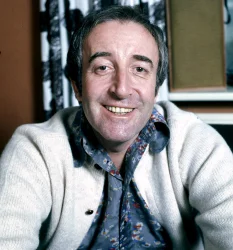
Frank Sinatra Jr. was born into a family whose name already carried enormous weight in American popular music. The only son of singer Frank Sinatra and his first wife, Nancy Barbato, he built a long career as a vocalist, actor, and conductor. His life was often measured against his father’s fame, but he developed his own place in the music world as a devoted interpreter of the Great American Songbook and as the musical director who helped bring the elder Sinatra’s concerts to life.
Growing up in a famous family
Born Francis Wayne Sinatra on January 10, 1944, in Jersey City, New Jersey, he was the middle of three children. His sisters were Nancy, who became a successful singer, and Tina, who worked as a television producer. The family moved to California during his infancy, and he grew up close to the entertainment business, watching performers from backstage and hearing his father’s music at home.
The elder Sinatra was frequently away on tour or at film sets, so the younger Sinatra’s relationship with his father developed in the shadow of a public career. He became familiar with the sounds and arrangements that made his father famous, while also seeing other leading entertainers perform in Las Vegas. Those experiences helped shape his ambitions, though they also presented a formidable comparison for any aspiring singer.
A career built around song
Sinatra began performing as a teenager. He initially studied music at the University of Southern California and hoped to work as a pianist and conductor, but professional opportunities led him first toward singing. In 1963 he appeared with the Tommy Dorsey Orchestra, the band once led by his father’s former employer and then directed by Sam Donahue. He later toured with the Sam Donahue Orchestra and performed regularly in Las Vegas.
During the 1960s and beyond, he recorded albums, appeared on television, and took acting roles in film and television. His screen credits included A Man Called Adam and Hollywood Homicide, while television audiences saw him on programs ranging from The Love Boat to Adam-12. He also appeared as himself on The Sopranos and voiced an animated version of himself on Family Guy.
His voice and phrasing naturally invited comparisons with his father, and he often performed the older Sinatra’s best-known songs. The challenge was to honor the repertoire while establishing a presence of his own. Rather than attempt to compete with the cultural force of his father’s peak years, he became a careful keeper of the songs, arrangements, and performance traditions behind them.
In 1988 he joined his father’s touring staff as musical director and conductor. He helped select the music, rehearsed the orchestra, and led it during performances. The role put him beside his father on stage, with responsibility for shaping the sound of the concerts. He also directed music for television specials featuring his father, including Frank, Liza & Sammy: The Ultimate Event and Sinatra 75: The Best Is Yet to Come.
After his father’s death in 1998, he returned to touring as a singer, presenting the material with a large orchestra. His 1996 album As I Remember It paid tribute to the composers and arrangers associated with the Sinatra sound. He continued performing for audiences who wanted to hear the songs in a concert setting, especially in Las Vegas.
The Lake Tahoe kidnapping
In December 1963, when he was nineteen, Sinatra was performing at Harrah’s Club Lodge in Lake Tahoe. On December 8, three men abducted him at gunpoint from his dressing room and demanded $240,000 from his father. The FBI worked with the family during the ransom negotiations. After the money was delivered, Sinatra was released unharmed and walked to safety in the Bel Air area of Los Angeles.
The kidnappers were caught and convicted, and nearly all the ransom was recovered. Because the case drew intense publicity, rumors persisted that the abduction had been staged. Investigators rejected that claim, and the FBI later described evidence showing that the kidnapping was real. The ordeal became the most sensational episode of his early life, sometimes overshadowing his own music career.
Later years and legacy
Sinatra married Cynthia McMurry in 1998; the marriage ended in divorce two years later. He had a son, Michael, from an earlier relationship. For decades, he continued working as a performer, maintaining a connection to the repertoire that had defined his family’s musical legacy.
He died of cardiac arrest on March 16, 2016, while on tour in Daytona Beach, Florida, aged 72. His career was inseparable from his father’s influence, yet he made lasting contributions as a singer, arranger of musical traditions, and conductor. For listeners, he offered a direct link to a celebrated era of American popular song and kept its sound alive on stage.