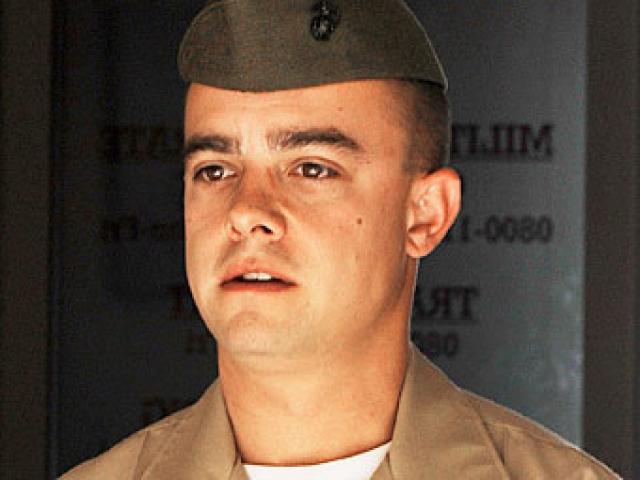
Frank Wuterich
 USA
USA- Biography of Frank Wuterich
- The Incident in Haditha
- The Investigation and Charges
- The Trial and Controversial Verdict
- Reaction and Fallout
Biography of Frank Wuterich
Frank Wuterich is an American Marine Corps sergeant who gained significant attention for his involvement in the killing of 24 Iraqi civilians in 2005. Born in the United States, Wuterich served as a senior sergeant in the Marine Corps.
The Incident in Haditha
The incident occurred on November 19, 2005, in the city of Haditha, Iraq. Initially, it was reported that a convoy of Marines was attacked by insurgents, resulting in the death of one American soldier and 15 civilians. The Marines allegedly retaliated and killed eight attackers. However, further investigation by journalists revealed that the Iraqi civilians were actually killed by gunfire, not an explosion. The bodies were riddled with bullet holes.
The Investigation and Charges
Eight Marines from the clearing unit were charged with the killings. However, only Wuterich remained as the sole defendant in the case. He was initially accused of killing 19 of the 24 victims, facing a potential sentence of 152 years in prison. Wuterich consistently denied his guilt, claiming that he did not kill any women or children.
The Trial and Controversial Verdict
On January 23, 2017, Wuterich entered into a plea agreement, admitting negligence in his duties but denying intentional killing. He stated that his command to "shoot first, ask questions later" was made without proper consideration. The court sentenced him to three months in prison, a reduction in rank, and a fine. However, the Marine Corps Commanding General Thomas Waldhauser considered any punishment involving imprisonment to be unacceptable.
As a result, Wuterich was immediately released from custody. He retained his sergeant rank due to being the sole provider for his three daughters. The verdict sparked controversy and criticism, with many considering the punishment lenient given the severity of the crime.
Reaction and Fallout
The verdict drew strong reactions both in Iraq and the United States. Iraqi officials deemed the decision unsatisfactory and vowed to continue advocating for justice for the victims. Some Iraqi citizens expressed disappointment, citing the Abu Ghraib prison scandal as an example of inadequate American justice.
The case highlighted the complexities and challenges faced by the military in conflict zones, particularly in distinguishing between combatants and civilians. It also raised questions about accountability and the consequences of military actions.
Despite the conclusion of this case, the incident remains a painful reminder of the human cost of war and the need for transparency and accountability in military operations.


