Friedrich Kaulbach
 Germany
- Friedrich Kaulbach: A Renowned 19th-Century German Artist
- Early Career and Artistic Journey
- Historical Paintings and Parisian Success
- Royal Patronage and Court Painter
- Vibrant Studio Life and Artistic Legacy
- Recognition and Accolades
- Artistic Success and Family Lineage
Friedrich Kaulbach: A Renowned 19th-Century German Artist
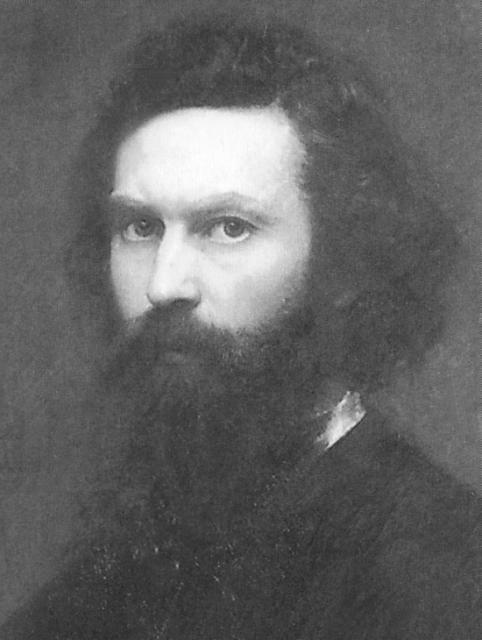
Early Life and TrainingFriedrich Kaulbach, a German artist, was born into the renowned Kaulbach artistic dynasty. As the nephew and student of Wilhelm von Kaulbach, the founder of the dynasty, he inherited a rich artistic lineage. In 1839, he embarked on his formal training under his uncle's tutelage.
Early Career and Artistic Journey
After a transformative trip to Venice in 1844, Friedrich Kaulbach parted ways with his mentor and ventured on his independent artistic path. By 1848, he had completed his first major work, "Adam and Eve Finding the Slain Abel." His talent earned him recognition within the Munich art scene, but he declined an offer of professorship at the Munich Academy of Fine Arts.
Historical Paintings and Parisian Success
In 1850, Kaulbach traveled to Paris where he expanded his artistic repertoire to include historical paintings and commissioned portraits. His renowned historical masterpiece, "The Coronation of Charlemagne," was created for the Maximilianeum in 1861.
Royal Patronage and Court Painter
In 1856, Kaulbach's exceptional portraiture earned him the distinction of becoming the court painter for King George V of Hanover. He was appointed Professor at the University of Hanover and received royal patronage, creating numerous portraits for the local aristocracy.
Vibrant Studio Life and Artistic Legacy
Kaulbach's home in Hanover became a vibrant gathering place for renowned figures in the arts. His daughter, Isidora Kaulbach, captured the vibrant atmosphere in her memoirs, mentioning guests like Johannes Brahms, Clara Schumann, and Franz Liszt. His portraits, known for their intricate detail and theatrical flair, received accolades and are still admired today.
Recognition and Accolades
Kaulbach's esteemed reputation was solidified with prestigious awards and honors. He was awarded the Gold Medal by the Berlin Academy of Arts and became a full member of the institution. He also received a medal at the World Exhibition in Vienna in 1873.
Artistic Success and Family Lineage
Friedrich Kaulbach's son, Friedrich August, inherited his father's artistic talent and also pursued a career in painting, continuing the family's artistic legacy. Kaulbach's influence extended beyond his immediate family, leaving an enduring mark on the German art scene of the 19th century.