Friedrich Wilhelm Berner
 Germany
- Childhood and Early Education
- Musical Apprenticeship
- Influence of Carl Maria von Weber
- Pedagogical Contributions
- Popular Vocal Works
- Later Years and Legacy
Childhood and Early Education
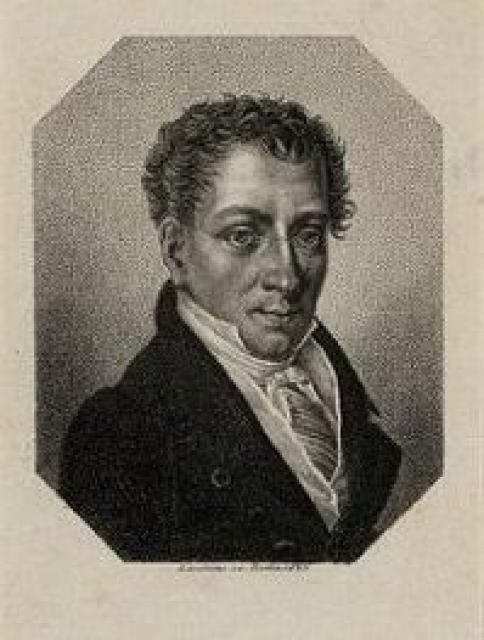
Friedrich Wilhelm Berner was born on May 16, 1780, in the city of Breslau, Germany. His father, an organist at St. Elizabeth's Church, became his first musical instructor. By the tender age of 13, Berner had already been appointed as his father's assistant.
Musical Apprenticeship
Berner's musical repertoire expanded beyond his father's tutelage. He mastered the cello, trumpet, bassoon, and clarinet, and honed his skills as a clarinetist in the opera theater's orchestra.
Influence of Carl Maria von Weber
Berner's talent caught the attention of Carl Maria von Weber, who then served as the Kapellmeister in Breslau. In 1811, Weber sent Berner to Berlin under the guidance of Carl Friedrich Zelter. Berner's mission was to study the inner workings of the Berlin Singing Academy with the eventual goal of establishing a similar institution in Breslau.
Pedagogical Contributions
Berner's legacy is particularly renowned for his didactic writings:- "Grundregeln des Gesanges" (1815): Basic principles of singing
- "Theorie der Choralzwischenspiel" (1819): Theory of chorale interludes
- "Lehre von der musikalischen Interpunktion" (1821): Treatise on musical punctuation
Popular Vocal Works
Among Berner's vocal compositions, the song "Deutsches Herz verzage nicht" gained immense popularity and became widely mistaken as a folk song.
Later Years and Legacy
Berner passed away in his hometown of Breslau on May 9, 1827. His生徒ship fostered renowned talents, including Adolf Hesse.