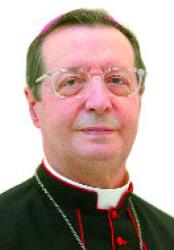
Gabriel Du Buat-Nancay
 France
- Early Life and Education
- Diplomatic Career
- Historical Writings
- Contribution to Historical Scholarship
- Literary Endeavors
- Legacy
Early Life and Education
French diplomat and historian Pierre-François-Xavier, Comte de Buisson de Bournazel, was born into a noble family. He studied under the renowned military historian Jean Folard, who profoundly influenced his intellectual development.
Diplomatic Career
After completing his education, Bournazel embarked on a diplomatic career. He served as the French envoy to Dresden and Regensburg, representing his country's interests in Germany. However, he eventually resigned from his post and settled in Germany, where he remained closely connected to French affairs.
Historical Writings
Bournazel's passion for history led him to pen several influential works on German history. His writings often took a polemical tone, particularly his "Maximes du Gouvernement Monarchique" (1778), which refuted the "Maximes du droit public français" by Abbé Mably and Gabriel-Nicolas Montrond.
Contribution to Historical Scholarship
Bournazel's most significant scholarly contribution was the introduction of the "Bavarian Geographer," a vital historical document from the ninth century, into academic discourse. He translated it into French, enabling its wider study and analysis.
Literary Endeavors
In addition to his historical writings, Bournazel wrote a tragedy entitled "Charlemagne," which explored the life and legacy of the legendary Frankish emperor. His literary pursuits demonstrated his versatility and deep engagement with historical themes.
Legacy
Bournazel's works remain influential in the field of German history. His critical analysis and incisive insights have shaped our understanding of the complexities of past events. His diplomatic experience and close connections to European intellectual circles further enhanced the value of his writings for posterity.