Gabriel Garsiya Markes
 Colombia
Biography of Gabriel Garcia Marquez
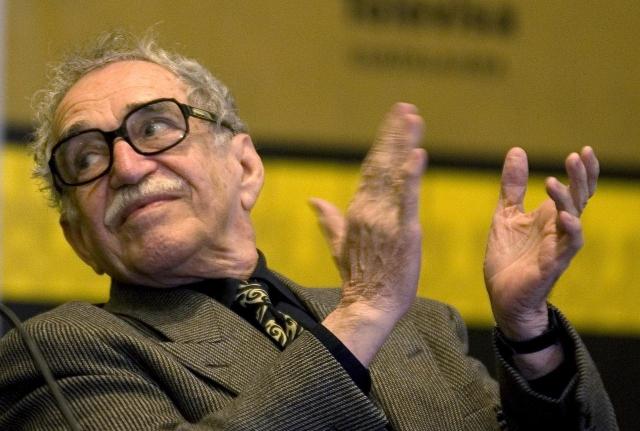
Gabriel Garcia Marquez is a Colombian writer whose name is known even to people who are far from literature. The titles of his stories and quotes from them are often used in everyday conversations, even by those who prefer books of a completely different genre. His works, published in Spanish, have the second highest circulation after the Bible. As a brilliant journalist, author of novels and screenplays, and a Nobel Prize laureate, he is considered the founder of "magical realism" in literature. His books combine the ordinary and the miraculous, truth and fiction. They are influenced by the folklore traditions of Latin America and reflect the author's detachment and internal solitude. Gabriel's full name is Gabriel José de la Concordia García Márquez, but he is usually referred to as Gabo.
Early Life and Education
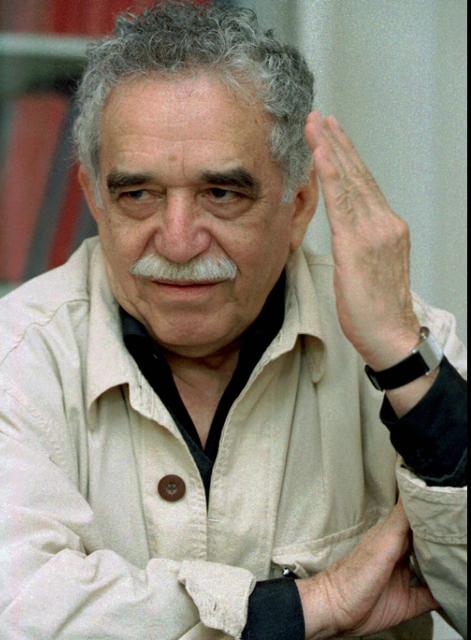
Gabriel Garcia Marquez was born on March 6, 1927, in Aracataca, Colombia. His father, Gabriel Eligio Garcia, received a pharmacy diploma after Gabriel's birth and moved with his wife to the city of Sucre, where he opened his own pharmacy. Gabriel was raised by his maternal grandparents, Colonel Nicolas Ricardo Marquez Mejia and Tranquilina Iguaran Cotes. His grandfather, whom Gabriel affectionately called "papalelo," was a prominent military and political figure of his time, as well as a great storyteller and philosopher. It was he who told Gabriel that a dead body weighs a lot, making murder the heaviest burden. Gabriel's family dynamics, including his father's opposition to his daughter's marriage, played a significant role in shaping the writer's worldview. His grandmother introduced him to folk legends, which influenced his perception of supernatural events as something entirely real and even mundane.
In 1936, after his grandfather's death, Gabriel moved in with his parents in Sucre. In 1940, he became a student at a Jesuit college in Zipaquira, and in 1946, he began studying law at the University of Bogota. However, literature and journalism captivated Gabriel much more than the study of laws. After the launch of the newspaper "El Universal" in 1948, he became an active contributor. In 1950, he interrupted his studies to work as a journalist for the newspaper "El Heraldo" and became an active member of the writers and journalists association called "Grupo Barranquilla." As a correspondent, Gabriel traveled the world and even attended the Moscow Youth and Student Festival in 1957.
Personal Life and Career
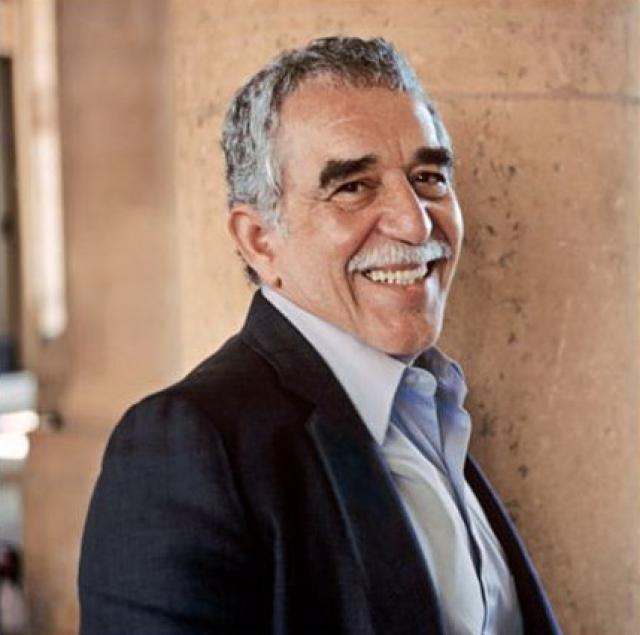
In 1957, Gabriel Garcia Marquez married Mercedes Barcha Pardo, whom he had known since his student years. They had a son named Rodrigo Garcia in 1959, who is now a renowned director and screenwriter. Around the same time, Gabriel worked on his first significant work, the story of a retired colonel living in poverty and waiting for a letter informing him of his pension appointment. The colonel trains a fighting rooster that is supposed to win competitions and bring luck. This novella, titled "No One Writes to the Colonel," was published in 1961 and has been reprinted and translated into many languages. In 1999, it was adapted into a film of the same name by Mexican director Arturo Ripstein, although the political motives of the novella were largely omitted.
The success of his first book led to the publication of Gabriel's earlier stories and novellas, such as "Leaf Storm" and "In Evil Hour." He gave up his regular job and risked his assets to focus on his writing. His next work, "One Hundred Years of Solitude," published in 1967, became a central piece in his career and is considered a pinnacle of Latin American literature. The complex composition of this novel covers a hundred years of the Buendia family's history, reflecting the development of both Colombia as a country and humanity as a whole. The book blurs the boundaries between good and evil, reality and fantasy, and the ordinary and mystical. It received the Romulo Gallegos Prize.
Gabriel Garcia Marquez became a prominent and influential figure in Colombian society. Many prominent individuals, including Fidel Castro, tried to establish friendly relations with him. However, the United States declared him persona non grata, a decision later reversed by Bill Clinton, who named "One Hundred Years of Solitude" as his favorite book. Gabriel continued to publish novels, biographical stories, and write screenplays (six of his works were adapted into films). He was awarded the Nobel Prize in Literature in 1982. In 1989, Gabriel underwent lung cancer surgery, followed by further operations and extended treatments due to lymphoma. In 2012, it was announced that Gabriel Garcia Marquez could no longer write due to age-related changes in his mental state.