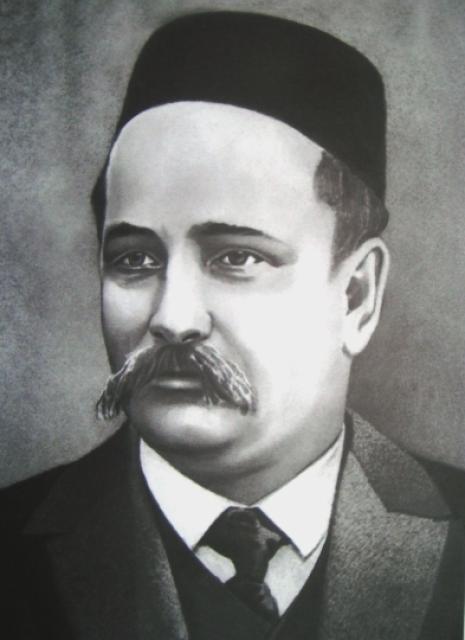
Galiasgar Kamal
- Galiasgar Kamal: A Pioneer of Tatar Literature and Theater
- Early Education and Literary Beginnings
- Journalistic and Political Involvement
- Literary Legacy
- Post-Revolutionary Contributions
- Recognition and Accolades
Galiasgar Kamal: A Pioneer of Tatar Literature and Theater
Galiasgar Kamal, also known as Galiasgar Kamalettinov, was a prominent figure in Tatar literature, drama, and social activism. Born into a humble family in Kazan, he spent his childhood in Nizhnaya Masra, his mother's native village.
Early Education and Literary Beginnings
Kamal received his education at the Kazan Madrasa "Ghusmania" and later at the Madrasa "Muhammadiyah" from 1889 to 1897. He began his literary career in 1900 with a focus on social and political issues. In 1901, he founded the newspaper "Taraki" ("Progress") and established the publishing house "Magarif" ("Enlightenment").
Journalistic and Political Involvement
From 1906 onwards, Kamal worked for the newspapers "Azat" ("Freedom") and "Azat Khalyk" ("Free People"), where he published articles promoting Marxist ideas. He also became the editor of the satirical magazine "Yashen" ("Lightning") from 1908 to 1909 and contributed to the newspaper "Yoldyz" ("Star") from 1907 to 1917.
Literary Legacy
Kamal's literary output was prolific, with plays and comedies sharply criticizing the vices of bourgeois society. Notable works include "Neschastny Yunosha" ("Unfortunate Youth"), "Iz-za Podarka" ("Because of the Gift"), "Lubovnitsa" ("The Mistress"), "Tainy Nashego Goroda" ("Secrets of Our City"), and "Bankrot" ("Bankrupt").
Post-Revolutionary Contributions
After the October Revolution, Kamal collaborated with newspapers such as "Esh" ("Labor") and "Kyzyl Bayrak" ("Red Flag") and wrote satirical verses. He translated several Russian literary classics into Tatar, including Gogol's "The Inspector General," Ostrovsky's "The Storm," and Gorky's "At the Bottom."
Recognition and Accolades
In June 1923, Kamal was awarded the honorary title of "Hero of Labor" and later received the title of People's Dramatist of the Tatar Autonomous Soviet Socialist Republic. His contributions to Tatar literature and theater earned him widespread recognition and admiration.




