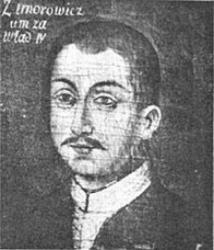
Gavin Douglas
 Great Britain
- Gavin Douglas: A Preeminent Scottish Poet of the 16th Century
- Ecclesiastical Career and Political Rise
- Literary Identity: Individualism and Humanism
- The Magnum Opus: Douglas's Translation of Virgil's "Aeneid"
Gavin Douglas: A Preeminent Scottish Poet of the 16th Century
Gavin Douglas, one of the most renowned Scottish poets of the 16th century, hailed from the prestigious and wealthy Angus dynasty. As the third son of Archibald "Bell-the-Cat," 5th Earl of Angus, he received a top-tier education at both St. Andrews University and the University of Paris.
Ecclesiastical Career and Political Rise
Embracing an ecclesiastical path, Douglas became provost of St. Giles' Kirk in Edinburgh in 1503. Following the death of King James V at the Battle of Flodden in 1513, Douglas's elder brother, Archibald, ascended to power as the 6th Earl of Angus and married Queen Margaret Tudor. Through his brother's influence, Douglas secured the Bishopric of Dunkeld in 1515.
Literary Identity: Individualism and Humanism
Despite his ecclesiastical prominence, Douglas's poetry, akin to that of his contemporary William Dunbar, reflected a spirit of individualism and subjectivity. His allegorical poem "The Palice of Honour," inspired by King James I's "Kingis Quair," exuded the humanistic ideals of the Renaissance. Douglas's vivid depictions of the Scottish countryside, notable for their lyricism and self-sufficiency, marked a novel approach in poetry.
The Magnum Opus: Douglas's Translation of Virgil's "Aeneid"
Gavin Douglas's most celebrated work, however, was his translation of Virgil's epic poem "The Aeneid" into Scots, considered one of the finest in literary history. Renowned for its exceptional fidelity and literary merit, some Scottish literary scholars even believed Douglas's translation surpassed the original. The translation epitomized the flourishing of the Scots language at the cusp of the 16th century, when Gaelic had declined and the union with England was not yet imminent.