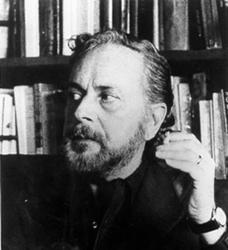
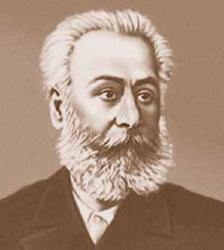
Georg Weerth
 Germany
- The Voice of the German Proletariat: Georg Weerth
- Early Life and Influences
- Revolutionary Activism and Poetic Expression
- Witnessing the British Working Class
- Political Satire and Social Commentary
- The Rise and Fall of a Prussian Noble
- Pioneer of Socialist Realism
The Voice of the German Proletariat: Georg Weerth
Georg Weerth, described by Friedrich Engels as "the first and most significant poet of the German proletariat," was born into a family of a church inspector and worked as a commercial agent.
Early Life and Influences
Weerth's early poetic style reflected the traditions of German Romantic lyricism, with a focus on wandering journeymen as protagonists. However, his experiences in England, where he witnessed the Chartist movement, transformed his writing.
Revolutionary Activism and Poetic Expression
Joining the Communist League as a close associate of Karl Marx and Friedrich Engels, Weerth's poetry took on a more militant and revolutionary tone. Poems like "The Cannon Founder" and "They Sat Beneath the Willow" exemplified his commitment to the cause.
Witnessing the British Working Class
In his "Sketches from the Social and Political Life of the British" (1843-47), Weerth broke away from the passive depiction of the proletariat, presenting them instead as an active force on the cusp of a new era.
Political Satire and Social Commentary
Weerth's feuilletons of 1848 were a biting satire exposing the enemies of the revolution. In his novella "Humorous Sketches from German Commercial Life" (1847-48), he created a colorful portrait of the German bourgeois.
The Rise and Fall of a Prussian Noble
Through his novel "The Life and Adventures of the Famous Knight Schnapps" (1849), Weerth offered a satirical portrayal of the Prussian aristocracy.
Pioneer of Socialist Realism
Georg Weerth's writings are considered to be among the early precursors of socialist realism, with their focus on the struggles and aspirations of the working class. His voice resonated with the emerging consciousness of the German proletariat, shaping the literary landscape of his time.