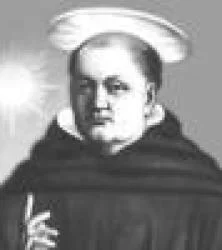
Gregory I
- From Roman official to monk
- Pope in a city under pressure
- Pastoral teaching and the mission to England
- Legacy and the Gregorian name
Gregory I became pope at a time when imperial power in Italy was weak, Rome faced repeated crises, and the Lombards threatened the city’s survival. A former Roman prefect who had turned to monastic life, Gregory became both a spiritual leader and a practical administrator. He organized food supplies, negotiated with Lombard rulers, sent a mission to England, and wrote works that shaped medieval Christian thought for centuries.
From Roman official to monk
Gregory was born around 540 into a wealthy Roman family with a history of public and church service. His father, Gordianus, was a senator and held an administrative post; his mother, Silvia, was later honored as a saint. Gregory received the education expected of an aristocratic Roman and entered public life. By about 573 he had become prefect of Rome, one of the city’s highest civil offices.
After his father’s death, Gregory redirected much of the family’s wealth toward charitable work and monasteries. He transformed his Roman residence into a monastery and embraced a life of prayer. This change did not remove him from church affairs. He was ordained a deacon and in 579 was sent to Constantinople as a papal representative. There he served for several years, gaining experience in diplomacy and the wider politics of the eastern empire.
Pope in a city under pressure
Gregory returned to Rome and continued as an adviser to Pope Pelagius II. When Pelagius died during an outbreak of plague in 590, Gregory was elected bishop of Rome. He initially resisted the appointment, but accepted it and led the church until his death in 604.
The situation he inherited was severe. Famine, disease, and Lombard military campaigns had disrupted daily life across Italy. Gregory used the church’s estates as a vital resource, reorganizing their management so grain and other supplies could reach Rome. He also directed funds toward the poor and refugees. His letters show him handling everything from land administration and appointments to urgent requests for food and protection.
The Lombards repeatedly threatened Rome, and imperial forces did not always provide dependable defense. Gregory took an active role in negotiations with Lombard leaders, seeking truces and ways to reduce the danger to the city. His diplomacy did not end the conflict, but it strengthened the pope’s position as a civic leader at a time when many residents looked to him for protection and stability.
Pastoral teaching and the mission to England
Gregory’s writing was as influential as his administration. His Pastoral Rule set out the responsibilities of church leaders, emphasizing that a pastor needed to understand the different needs of the people in his care. The work became a standard manual for bishops in medieval Europe. He also wrote sermons, biblical commentaries, and the Dialogues, a collection of stories about Italian holy figures that includes the principal early account of Benedict of Nursia.
In 596 Gregory organized a mission to the Anglo-Saxons in England, sending Augustine, prior of the monastery of St Andrew, with a group of monks. The mission reached Kent in 597 and gained support from King Æthelberht and his Christian wife, Bertha. It began a lasting Roman church presence in England. A famous story says Gregory saw fair-haired English captives in a Roman market and decided their people should be evangelized; the anecdote is memorable, though its details come from later accounts.
Legacy and the Gregorian name
Gregory died in Rome on March 12, 604. He was remembered as one of the most influential early medieval popes and later received the title “the Great.” His reforms strengthened the church’s administrative role, his mission connected Rome with the English church, and his writings became widely read across Western Europe.
Gregorian chant bears his name, but the association is stronger in later tradition than in the historical evidence: the musical tradition developed over time, and Gregory cannot be credited with composing it in the form now known. His more firmly established legacy is broader. Gregory brought together the habits of a Roman administrator and the commitments of a monk, guiding a city through crisis while leaving behind a body of teaching that helped shape the medieval church.