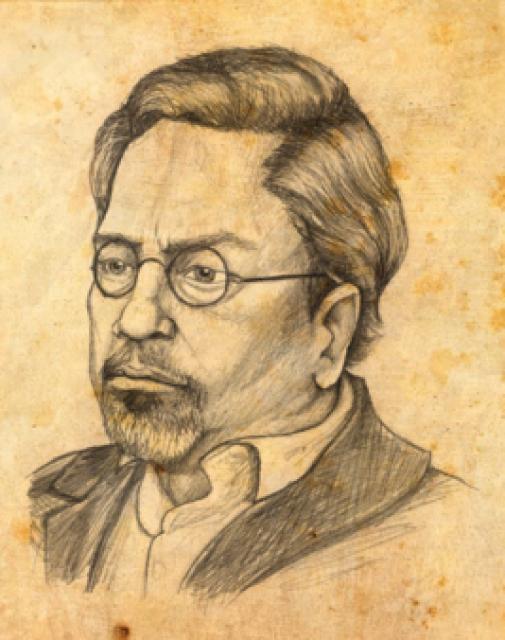
Guillermo Cabrera
 Cuba
Cuba- Guillermo Cabrera Infante: A Cuban Literary Icon
- The Cinema and Literary Beginnings
- Revolutionary Cuba and Political Disillusionment
- Exile and International Acclaim
- Literary Legacy
- Notable Works
- Honors and Recognition
- Death and Legacy
Guillermo Cabrera Infante: A Cuban Literary Icon
Childhood and Early InfluencesGuillermo Cabrera Infante was born into a family deeply involved in the communist movement. His parents' political activism shaped his worldview and sparked his interest in social justice from an early age.
The Cinema and Literary Beginnings
In 1951, Cabrera Infante co-founded the Havana Cinematheque, a hub for film screenings and discussions. His passion for cinema influenced his writing, which incorporated rhythmic and visual elements into his narratives.
Despite its suppression by the Batista regime, his first short story was published in 1952 under a pseudonym. This incident ignited a lifelong resistance against censorship.
Revolutionary Cuba and Political Disillusionment
After the Cuban Revolution in 1959, Cabrera Infante held prominent positions in the National Council for Culture. However, his short film was banned in 1961 and he faced criticism from the party. In 1962, he became Cuba's cultural attaché in Brussels.
Exile and International Acclaim
Upon his return to Cuba in 1965, Cabrera Infante was arrested and eventually emigrated to Spain. From 1966, he lived in London, becoming an outspoken critic of Fidel Castro's regime.
His novel Tres tristes tigres(1968), set in pre-revolutionary Havana, was banned in Cuba as counterrevolutionary. Cabrera Infante's experimental style and depiction of marginalized society earned him international recognition.
Literary Legacy
Cabrera Infante's work includes experimental novels, short stories, essays, and film criticism. His writings explore themes of exile, identity, and the power of language.
Notable Works
- Tres tristes tigres(1968): Depicts the lives of three disenchanted men during the dictatorship of Batista.
- La Habana para un Infante difunto(1979): A nostalgic and satirical portrait of Havana before and after the revolution.
- Mea Cuba(1991): A collection of political articles and essays that document the suppression of freedom in Cuba.
Honors and Recognition
Cabrera Infante received numerous awards, including the prestigious Miguel de Cervantes Prize in 1997. His works have been translated into over 30 languages, establishing him as one of the most influential Latin American writers of the 20th century.
Death and Legacy
Guillermo Cabrera Infante died in Havana in 2005. His legacy continues to inspire generations of writers and readers, both in Cuba and beyond. His writings remain a testament to the power of resistance and the enduring human spirit.


