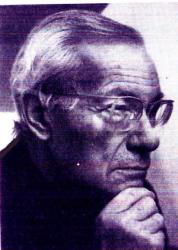
Hans Baluschek
 Germany
- Hans Baluschek: A German Artist and Writer
- Artistic Influences and Studies
- Artistic Maturity
- World War I
- Weimar Republic
- Nazi Era and Legacy
Hans Baluschek: A German Artist and Writer
Early Life and EducationHans Baluschek was born on May 9, 1870, in Breslau, Germany, to Franz Baluschek, a railroad inspector. After his father's promotion, the family relocated to the small town of Hanau (now Chojnów, Poland), where Baluschek experienced the sights and sounds of the railroad, which would later inspire his artwork. In 1876, the family moved to Berlin, where Baluschek attended the humanist-oriented gymnasium in Berlin-Tempelhof-Schöneberg.
Artistic Influences and Studies
Baluschek was deeply influenced by the work of Russian artist Vasily Vereshchagin, whose bold realism shocked and impressed the art world. Baluschek began incorporating Vereshchagin's style into his own early paintings and sketches.
In 1889, Baluschek enrolled in the Berlin Academy of Arts, where he became acquainted with Martin Brandenburg, who would remain a close friend. Despite the academy's conservatism, Baluschek gravitated towards Impressionism and began exploring themes of urban working-class life. He rejected traditional painting techniques, emphasizing the social divide and inequalities prevalent in Berlin.
Artistic Maturity
Baluschek's major creative period spanned from 1894 until the outbreak of World War I. He drew inspiration from the industrial transformation of Berlin's suburbs, depicting factories, trains, and the lives of its laborers. Baluschek's artwork became renowned for its gritty realism and social commentary.
He developed a close friendship with avant-garde poet Richard Dehmel and illustrated the cover of Dehmel's poetry collection "Frau und Welt" in 1896. Baluschek also associated with left-wing writers, including Arno Holz, who became his literary mentor.
World War I
The outbreak of World War I stirred the German artistic community. While many artists supported the war effort, others, including Baluschek, remained critical. Baluschek actively participated in the publication of patriotic journals and donated paintings to support the war effort.
In 1916, Baluschek volunteered for service and fought on both the Western and Eastern fronts. He was deeply affected by Germany's defeat and opposed the formation of the Weimar Republic.
Weimar Republic
During the Weimar Republic, Baluschek shifted his focus to book illustration, creating iconic artwork for classic children's stories such as "Peterchens Mondfahrt" and Brothers Grimm's fairy tales. He also created advertising posters and theater designs.
Baluschek remained committed to socialist ideals and social justice. He helped found the People's School of Greater Berlin and became a member of the Communist Party. He played a key role in establishing a social welfare bureau for Berlin's artistic community.
Nazi Era and Legacy
With the rise of the Nazis in 1933, Baluschek was labeled a "Marxist artist" and his works were deemed degenerate art. He was stripped of all his official positions, and his exhibitions were banned. Baluschek passed away in Berlin on September 28, 1935, at the age of 65.
Despite being less recognized in West Germany after the war, Baluschek gained significant posthumous fame in East Germany for his unwavering left-wing views. His artworks have been widely exhibited and featured in numerous publications. In 2004, a small park in Schöneberg was named after him in recognition of his contributions to German art and society.