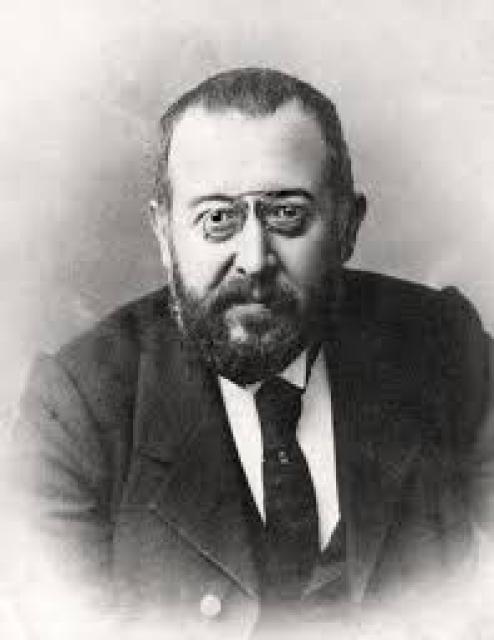
Hans Henrik Jager
 Norway
- Henrik Ibsen
- Literary Beginnings
- Artistic Growth and Realism
- Social Consciousness and Feminism
- Final Years and Legacy
- Major Works
Henrik Ibsen
Early Life and EducationHenrik Ibsen was born on May 25, 1828, in the town of Skien, Norway. His upbringing was marked by early economic hardships. He showed an early interest in literature and attended the Christiania Royal Frederik University in Oslo, studying philosophy and literature.
Literary Beginnings
Ibsen's literary career began in the 1850s with the publication of plays such as "Lady Inger of Ostrat" and "The Vikings at Helgeland." These works established his reputation as a playwright and poet.
Artistic Growth and Realism
In the 1860s, Ibsen began to develop his naturalistic style, portraying contemporary society with realistic and critical eyes. Works such as "Brand," "Peer Gynt," and "A Doll's House" established him as one of the leading figures in European drama.
Social Consciousness and Feminism
Ibsen's plays often explored social and societal issues, particularly the role of women in a patriarchal society. "A Doll's House" became a landmark work in the feminist movement, sparking debates about the rights of women.
Final Years and Legacy
In his later years, Ibsen continued to write plays, including "Hedda Gabler," "John Gabriel Borkman," and "When We Dead Awaken." He died on May 23, 1906, in Oslo, Norway.
Major Works
Lady Inger of Ostrat (1855)The Vikings at Helgeland (1858)
Brand (1866)
Peer Gynt (1867)
A Doll's House (1879)
Ghosts (1881)
Hedda Gabler (1890)
John Gabriel Borkman (1896)
When We Dead Awaken (1899)
Themes and Impact
Ibsen's works explored universal themes of human nature, freedom, and social responsibility. He influenced generations of playwrights, novelists, and filmmakers with his realistic portrayal of human relationships and his fearless questioning of societal norms.