
Hayden Cross
 Great Britain
- First UK Transgender Man To Conceive
- Equality-Based Funding
- Ethical Considerations
- Surgical Advancements
- International Successes
- Transgender Advocacy
- Legal Protections
- The First Pregnant Trans Man
- The Future of Reproductive Medicine
- Criticism and Concerns
First UK Transgender Man To Conceive
The UK's leading fertility experts are calling for publicly-funded womb transplants for transgender women who were born male but wish to have children. Funded by the NHS, the procedure would mark the first time that transgender women have been given the ability to bear children.

Equality-Based Funding
Proponents of the surgery argue that taxpayers should pay for the procedure for those who identify as women based on "equality under the law." Medical lawyer Amel Alghrani, a leading advocate in the controversial debate, argues that funding should be made available for transgender women who wish to have womb transplants.
Ethical Considerations
However, critics argue against the NHS spending valuable resources on a transgender woman's desire to "feel like a real woman." Women's rights campaigner Laura Perrins argues that "most taxpayers do not believe this is a good use of resources. It raises profound ethical and moral issues that will affect women's rights. It will affect what it means to be a mother and to be female."
Surgical Advancements
Nevertheless, gynecologists are becoming increasingly confident that it is possible to implant a donated womb into someone who was born with male genitalia. A leading gynecologist suggests that womb transplants could become routine within a decade. Doctors believe the successful uterus transplants already performed on women born without a womb have brought the procedure closer to becoming feasible for transgender women.
International Successes
Since 2014, at least five babies have been born to women who were born without a uterus. These women were given "donor wombs" in a series of pioneering operations at the University of Gothenburg in Sweden. Later that year, UK scientists launched their own charity to help at least three British women.
Transgender Advocacy
The Swedish team's success has ignited excitement among transgender women who want to have the same womb-transplantation rights. Some doctors in the UK's NHS have also come out in support of transgender rights. Amel Alghrani, for example, has stated that "from an ethical perspective" there is no problem.
Legal Protections
Francoise Shelfield, a clinical lecturer in obstetrics and gynaecology at University College London who has helped infertile patients through the NHS for 30 years, also supports the case. "If we believe in equality, and if we have legislation that protects transgender people, then it is not clear to me why we would not," Shelfield says, noting that the right to equal treatment is "enshrined in law."
The First Pregnant Trans Man
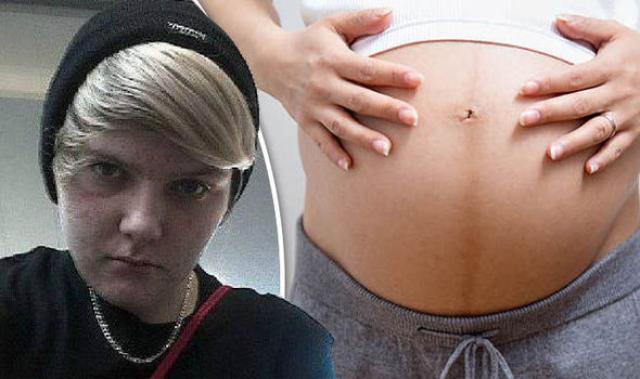
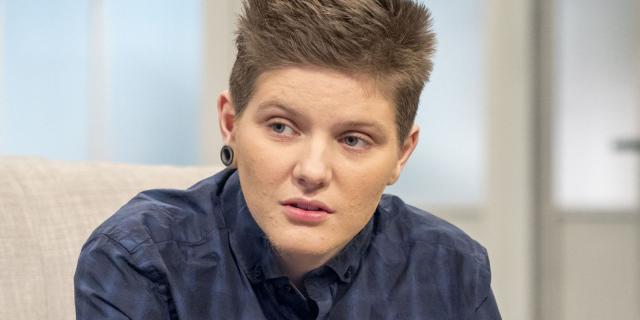
The first UK trans man to become pregnant was 21-year-old Paige from Gloucester. Born a girl, Paige, who now goes by the name Hayden Cross, paused her gender reassignment last year in order to become pregnant. The sperm used for the conception was donated by an online donor.
The Future of Reproductive Medicine
Professor Steven Weyers from Ghent University Hospital in Belgium, who is launching a trial of uterus transplants on 20 women this year, has suggested that "donor wombs" for transgender women are likely to be a reality within a decade. Dr. Alghrani anticipates that pressure for state-funded transplants will not come solely from the transgender community, arguing that "fertile" womb transplants could become a reality for heterosexual couples, "allowing them to share the reproductive burden and rewards of pregnancy." She adds that "gay male couples might seek this out, and single men might choose this option rather than surrogacy."
Criticism and Concerns
Julie Bindel, a leader of the Justice for Women campaign, argues that the idea of womb transplants for transgender women may seem logical to those who believe that "all women have a right to reproduce." However, she emphasizes that "people born male who take female hormones and have cosmetic surgery to look like women are not, and never will be, the female sex." Bindel further argues that transgender women who push for NHS-funded womb transplants are motivated by a desire to "pass as women" because childbirth is "a female experience." She believes it is not about transgender rights but about a "distorted view of what makes 'real' women." Bindel also fears that the problems faced by marginalized women who struggle with childcare and maternity leave will be overshadowed by the "trans-fad of the moment" when celebrities like Caitlyn Jenner advocate for womb transplants. She concludes by stating that "this is about choice, not a health issue, and I am not convinced men make good mothers."


