
Heather Reed
 Canada
Biography of Heather Reid: Living with Kleine-Levin Syndrome
Heather Reid, a 37-year-old woman from Nova Scotia, Canada, suffers from a rare sleep disorder known as Kleine-Levin Syndrome, also referred to as "Sleeping Beauty Syndrome." This condition causes Reid to sleep for up to 22 hours a day, leaving her constantly exhausted and fatigued.
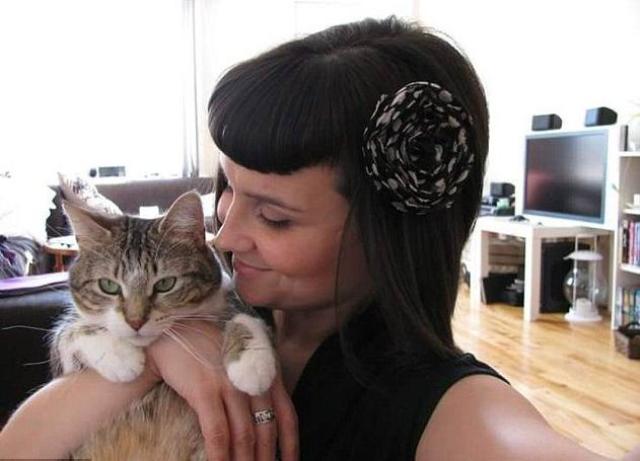
Reid's health struggles began over five years ago when she was diagnosed with myalgic encephalomyelitis, also known as post-viral fatigue syndrome. On good days, she would sleep for about 12 hours, but her condition would worsen, and she would require up to 22 hours of sleep per day. This debilitating exhaustion took its toll on her life, causing her to lose her job and withdraw from social activities. She described herself as feeling like a ghost, unable to participate fully in life due to her extreme fatigue.
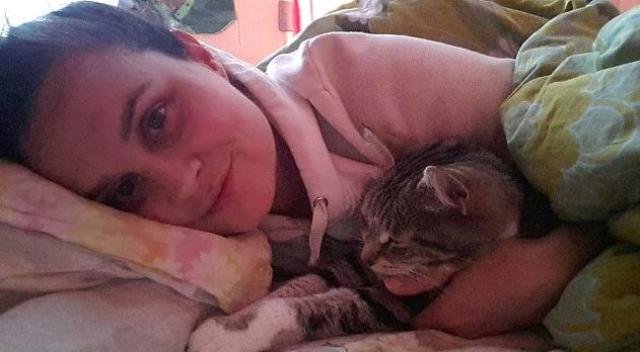
The symptoms of Kleine-Levin Syndrome, combined with her existing condition, have left Reid in a constant state of fatigue. She is only awake for about eight hours a day, which severely limits her ability to accomplish even simple tasks. The simplest activities, like going out for coffee, require meticulous planning and a significant amount of effort. She has to endure a long recovery period after spending time with people, as it drains her already limited energy reserves.

Living with the syndrome has had a significant impact on Reid's life. The exhaustion she experiences is comparable to the fatigue one feels when suffering from the flu. Lights appear too bright, sounds are too loud, and everything moves too quickly, making even the simplest tasks challenging. Reid has had to adapt to managing her symptoms and finding ways to alleviate them.
Reid first noticed her sleep problems when she was recovering from a three-month-long viral infection. She frequently closed her eyes for extended periods, a symptom associated with chronic fatigue. After undergoing emergency kidney surgery in 2014, Reid noticed a worsening of her sleep issues during the recovery period. Concerned about the escalating nature of her condition, she sought medical help to discover the underlying cause of her illness.
After consulting with a neurologist, Reid was diagnosed with Kleine-Levin Syndrome, a condition that affects only about 1,000 people worldwide. Typically, individuals with Kleine-Levin Syndrome experience prolonged periods of sleep, lasting several days or weeks. However, in Reid's case, the combination of her two serious illnesses requires a constant need for excessive sleep.
Reid, who previously worked in environmental biology, has had to give up her job due to her illness. On a "normal day," she may sleep for 12 hours at night and then take an additional 2-4 hour nap during the day. Unfortunately, these days are rare, and she often needs to sleep much longer to function.
Despite her efforts to normalize her sleep patterns, Reid finds it impossible to wake up feeling refreshed. She also experiences neurological issues, such as memory problems and muscle pain, which limit her productivity during waking hours. She leaves her house only once a week on average, usually to buy groceries or attend scheduled medical appointments. Due to her condition, she misses out on many social events and family gatherings.
Unfortunately, many people are unaware of Reid's condition and fail to understand the profound impact it has on her life. People often assume that she must feel well-rested since she sleeps so much. However, the quality of her sleep is far from rejuvenating. Even after sleeping for extended periods, she wakes up feeling as if she had only slept for ten minutes. The limitations imposed by Kleine-Levin Syndrome have left Reid longing for a day when she can regain control over her life.
Reid currently takes medication to manage her condition, but it has not been enough to prevent her from losing her job. Kleine-Levin Syndrome is a neurological condition that typically starts in adolescence but can be triggered by infection or illness. It is characterized by episodes of excessive sleep, ranging from a few days to several weeks. During these episodes, individuals may also exhibit irritability, immaturity, and disorientation. They may also experience increased appetite.
At present, there is no known cure for Kleine-Levin Syndrome. The best-known approach is to actively monitor and manage the symptoms experienced by patients, which is the current course of action for Reid.