Heinrich Cornelius
 Germany
- Heinrich Cornelius Agrippa von Nettesheim
- A Life of Adventure
- Controversy and Persecution
- "De Occulta Philosophia"
- Humanism and Mysticism
- Legacy of Mystery
- A Tireless Investigator
- Conclusion
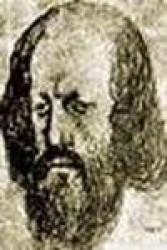
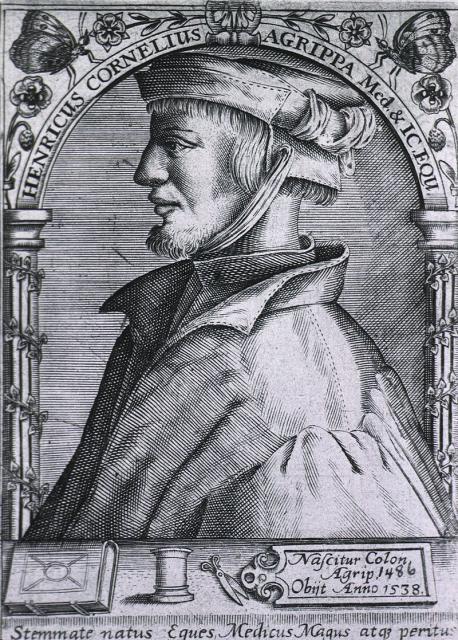
Heinrich Cornelius Agrippa von Nettesheim
A Renaissance PolymathHeinrich Cornelius Agrippa von Nettesheim, a brilliant and erudite writer, was a physician, philosopher, astrologer, and lawyer. His renowned work, "De Occulta Philosophia" (1510, published 1531-1533), became a cornerstone of Western esotericism, influencing figures like Eliphas Levi and coining the term "occultism."
A Life of Adventure
Agrippa's life was an extraordinary adventure, filled with travels and career changes. He wandered through Italy, France, Germany, Flanders, and England, serving as a soldier, professor, lawyer, physician (despite lacking a degree), and historiographer.
Controversy and Persecution
Agrippa's sharp intellect and anti-establishment views often drew controversy. His satire on the state of contemporary science, "De Incertitudine et Vanitate Scientiarum" (1527), led to accusations of heresy and forced him to flee. He was arrested in Lyons and imprisoned, later released through the intervention of friends.
"De Occulta Philosophia"
Agrippa's seminal "De Occulta Philosophia" is a three-part treatise on natural, celestial, and ceremonial magic. Its controversial nature earned Agrippa the reputation as a sorcerer and magician.
Humanism and Mysticism
Although close to humanists like Reuchlin and Erasmus, Agrippa remained an independent thinker, opposing both fanaticism and scholasticism. He challenged the belief in witchcraft and successfully defended an accused "witch."
Legacy of Mystery
Contemporary and later generations saw Agrippa as an enigmatic figure. Legends emerged of his books possessing consciousness and wreaking havoc on their owners. Rumors circulated that he sold his soul to the devil and had a demonic black dog that carried his soul to hell.
A Tireless Investigator
Despite the accusations and persecution, Agrippa remained a tireless investigator of the human mind and the nature of knowledge. His "De Incertitudine et Vanitate Scientiarum" criticized the limitations of science, while "De Occulta Philosophia" explored the boundaries of mysticism.
Conclusion
Heinrich Cornelius Agrippa von Nettesheim was a fascinating and complex figure of the Renaissance, whose influence on Western esotericism and intellectual thought remains significant today. His writings and legend continue to captivate and inspire scholars and seekers alike.