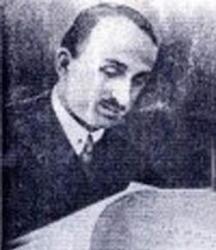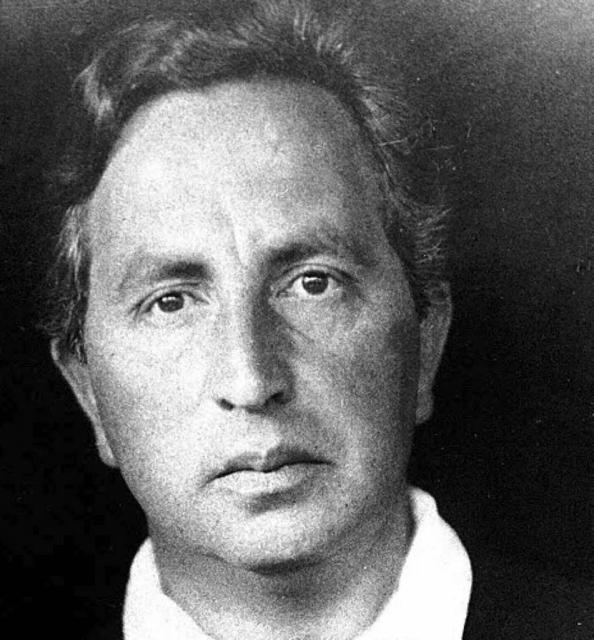
Heinrich Kaminski
 Germany
- Heinrich Kaminski: A German Composer and Educator
- Musical Training in Berlin
- Teaching in Benedikbeuern and Berlin
- Political Persecution and Wartime Loss
- Post-War Compositions and Legacy
Heinrich Kaminski: A German Composer and Educator
Early Life and EducationHeinrich Kaminski was born into a religious family in Bavaria, Germany. His father was an advocate for the Old Catholic Church movement. Kaminski received his early education in an Old Catholic boarding school before pursuing philosophy and political science at Heidelberg University. However, he soon realized his passion for music and began taking lessons with Philipp Wolfrum in Heidelberg.
Musical Training in Berlin
From 1909 to 1914, Kaminski studied music at the Stern Conservatory in Berlin under renowned teachers such as Paul Juon, Hugo Kaun (composition), and Severin Eisenberger (piano).
Teaching in Benedikbeuern and Berlin
After graduating, Kaminski returned to Upper Bavaria and taught piano in the town of Benediktbeuern. He cultivated friendships with artists like Franz Marc and Emil Nolde. Later, he moved back to Berlin and taught composition from 1918 to 1933. Notable students included Karl Orff.
Political Persecution and Wartime Loss
In 1933, Kaminski's teaching contract was terminated for political reasons. The Nazi regime also banned his music due to his Jewish heritage. During World War II, he suffered the tragic loss of three of his children.
Post-War Compositions and Legacy
Despite the hardships, Kaminski continued composing and completed his opera "Das Spiel vom K?nig Aphelius" in 1945. Many of his works drew inspiration from church tradition, polyphony, and neoclassicism. His interest in theosophy shaped compositions such as his motet "Die Erde," based on Friedrich Nietzsche's "Thus Spoke Zarathustra."
Kaminski's musical legacy endures through his compositions, many of which remain unseen due to their suppression during the Nazi era. His influence on students like Orff also contributed to the development of 20th-century music in Germany.