
Heinrich Schutz
 Germany
- Heinrich Schütz: The Father of German Music
- Italian Influence and Reformation Music
- Lost Masterpieces and Pedagogical Legacy
- Later Life and Legacy
Heinrich Schütz: The Father of German Music
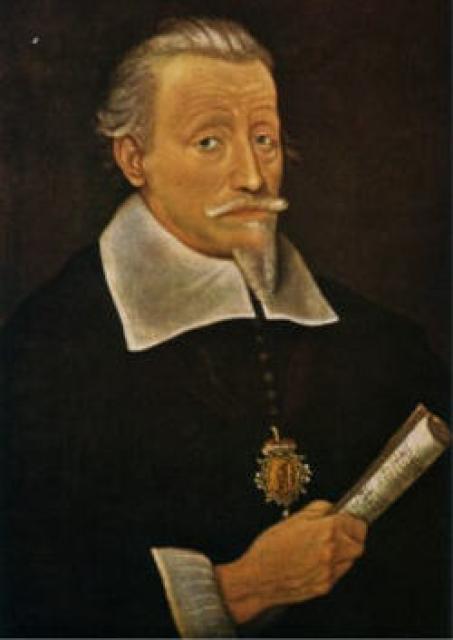
Early Life and DiscoveryHeinrich Schütz, a German composer, organist, and music educator, was born on October 14, 1585, in Köstritz, Germany. As a child, he sang in the choir, and his musical talent was discovered by Landgrave Maurice of Hesse-Kassel. While visiting Schütz's parents' inn in Weißenfels, Maurice overheard the 13-year-old Schütz singing.
Italian Influence and Reformation Music
Schütz's time in Venice, one of Europe's prominent music centers, exposed him to new musical frontiers. Italy, especially Venice, was a hub of innovation that paved the way for future European music.
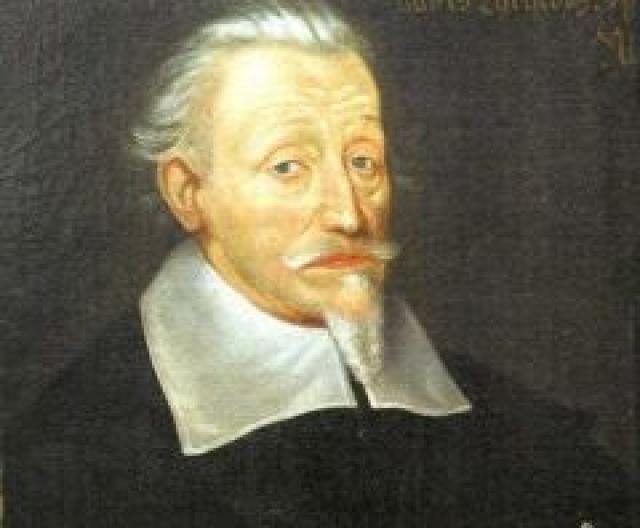
Despite his Protestant upbringing, Schütz incorporated secular Renaissance elements, humanistic ideas, and personal emotions into his religious compositions. He elevated Protestant church music beyond its austere linearity, imbuing it with depth and richness that later influenced Johann Sebastian Bach.
Lost Masterpieces and Pedagogical Legacy
Regrettably, most of Schütz's works for court festivities, including letters, were destroyed in the 1760 Dresden library fire. Among the lost pieces was the opera "Daphne" (1627), based on Martin Opitz's text and considered the first German musical drama. Other works, such as a ballet based on "Orpheus and Eurydice" (1638), a five-act ballet "Paris and Helena" (1650), and numerous other musical entertainments, are known to have existed but are lost to history.
Schütz established an esteemed school of musicians, including his cousin and pupil, the celebrated lieder composer Heinrich Albert. The first Hamburg opera was written by another of Schütz's disciples, Johann Theile.
Later Life and Legacy
Heinrich Schütz passed away on November 6, 1672. His compositions, characterized by their innovative integration of secular and religious elements, laid the foundation for the development of German music. As a forerunner to Bach, he left an enduring mark on the history of music.


