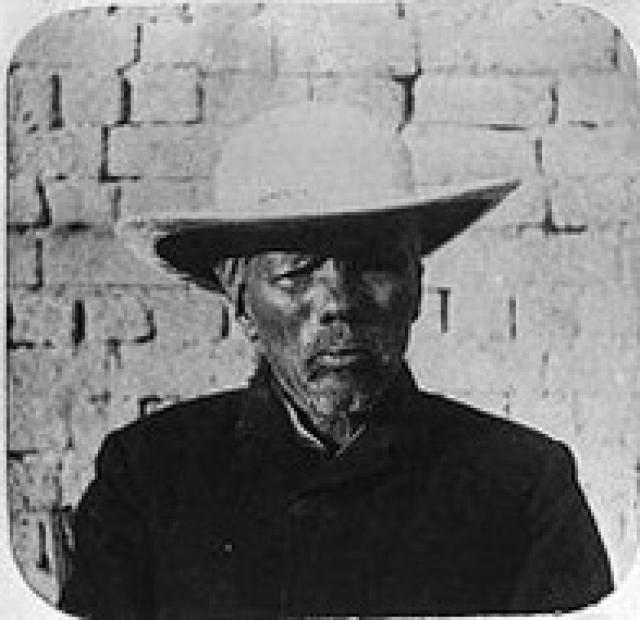
Hendrik Witbooi
- Hendrik Witbooi: Namibian National Hero
- Early Life and Ascendance
- Tribal Conflicts
- German Colonialism
- The Nama-Herero Uprising
- Rebellion's Aftermath
- Legacy and Impact
Hendrik Witbooi: Namibian National Hero
Hendrik Witbooi, the renowned tribal leader, played a pivotal role in Namibia's history.
Early Life and Ascendance
Born around 1840 in present-day southern Namibia, Hendrik Witbooi was the third son of Chief Moses Kido Witbooi. He embraced Christianity, being baptized with his wife Lena in 1868. Upon his father's passing in 1888, Witbooi became the chief of his tribe.
Tribal Conflicts
Witbooi engaged in power struggles with Jan Jonker Afrikaner, his uncle and chief of the Khoboben tribe. He also confronted Manasse Noreseb, leader of the Ghai-Kauun ("Red Nation").
German Colonialism
In 1892-1893, Witbooi led an armed uprising against German colonial rule. However, in 1894, he signed a "protection and friendship" treaty with the Germans, agreeing to provide them with land, cattle, and warriors.
The Nama-Herero Uprising
On October 3, 1904, a widespread rebellion erupted among the Nama and Herero peoples, led by Witbooi and Jakob Morenga. Witbooi skillfully commanded his forces for a year until his demise.
Rebellion's Aftermath
After Witbooi's fall on October 29, 1905, the rebels dispersed into smaller groups and continued guerrilla warfare until 1907. However, many were forced to surrender due to dwindling food supplies. The remaining insurgents were expelled from Namibia into the British-ruled Cape Colony.
Legacy and Impact
The suppression of the uprising resulted in the forced relocation of the Nama to barren areas, leading to a decline in their population. In 1907, German authorities confiscated the lands of the Nama and Herero, dissolving their traditional tribal structures.
Today, Hendrik Witbooi is revered as a national hero in Namibia. His image adorns nearly all of the country's banknotes, symbolizing his unwavering resistance against colonial oppression.


