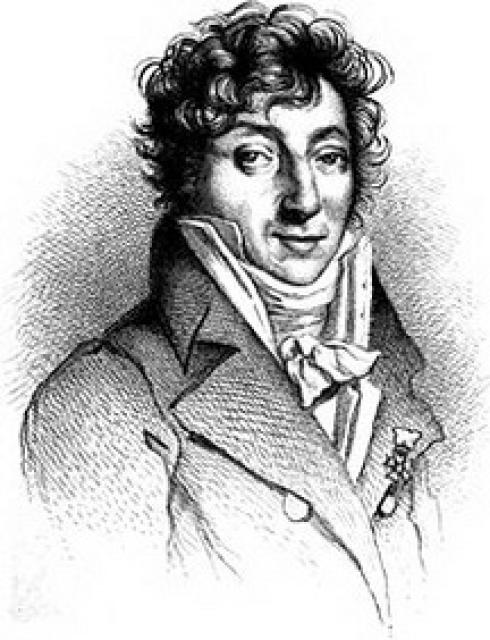
Henri Montan Berton
 France
- Henri Montan Berton: A Musical Maestro
- Musical Beginnings
- Operatic Successes
- - "Aline, Reine de Golconde" (1803): A romantic tale.
- Other Musical Contributions
- Academic and Institutional Roles
- - Chair of composition after Étienne Méhul's death in 1817.
Henri Montan Berton: A Musical Maestro
Early Life and Musical EducationHenri Montan Berton was born into a musical family in Paris in 1767. His father, Pierre, was a conductor and composer, and his early lessons in music were from his father. He further studied violin with Jean-Baptiste Rey and composition with Antonio Sacchini.
Musical Beginnings
Berton played violin in the Grand-Opéra orchestra from 1782 and made his debut as a composer with the opera "Le Premier Navigateur" in 1784. He quickly established himself as a successful opera composer.
Operatic Successes
Berton's most notable operatic works include:- "Les Rigueurs du Cloître" (1790): A pioneering "rescue opera" that set a genre trend.
- "Montano et Stéphanie" (1799): Particularly popular in the United States.
- "Aline, Reine de Golconde" (1803): A romantic tale.
- "Françoise de Foix" (1809): Based on the life of King Francis I's mistress.
Other Musical Contributions
Beyond his operas, Berton composed sacred music and patriotic hymns during the French Revolution. He was also a prolific writer, publishing works on harmony and a pamphlet on the debate between mechanical music and philosophical music.
Academic and Institutional Roles
Berton held several important positions in the Parisian musical scene:
- Professor of harmony at the Paris Conservatoire (from its founding in 1795).
- Chair of composition after Étienne Méhul's death in 1817.
- Director of the Paris Opera chorus (1810-1815).- Member of the Institut de France (1815).
Legacy
Henri Montan Berton was a significant figure in French musical life of the late 18th and early 19th centuries. His operas remain influential, and his contributions to musical education and theory continue to shape the field.