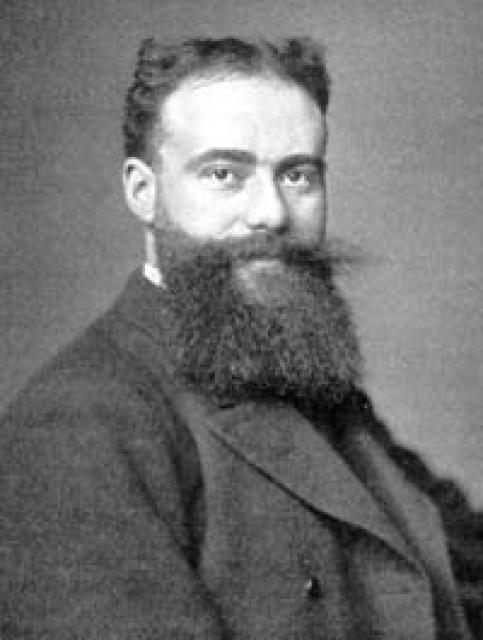
Hermann Sudermann
 Germany
- Herman Sudermann: A Literary Titan
- Early Life and Literary Beginnings
- Novels and Short Stories
- Triumph with "Die Ehre"
- Subsequent Dramas
- Continued Literary Success
- Legacy and Influence
Herman Sudermann: A Literary Titan
Herman Sudermann, a renowned German novelist and playwright, rose to prominence with his seminal drama "Die Ehre" (1892), which captivated audiences across Germany and beyond.
Early Life and Literary Beginnings
Born in East Prussia, Sudermann studied at the University of Königsberg. His literary career commenced with short stories, poems, and political articles published in the newspaper "Der Reichsfreund." His debut novel, "Frau Sorge," appeared in 1887.
Novels and Short Stories
Sudermann's short stories, published in the collection "Im Zwielicht," showcased his wry humor. "Die Geschwister," a collection of two novellas, proved less successful, while "Der Katzensteg" exhibited a more ambitious but uneven realism.
Triumph with "Die Ehre"
In 1892, "Die Ehre" propelled Sudermann to international acclaim. A powerful and controversial drama, it delved into the complexities of honor and societal hypocrisy.
Subsequent Dramas
Following "Die Ehre," Sudermann wrote two more dramas: "Sodoms Ende" and "Heimath." All three plays demonstrated his literary prowess, strong stage presence, and psychological depth. However, critics pointed out a tendency to prioritize theatrical effects and clever paradoxes over authenticity.
Continued Literary Success
Sudermann's short stories continued to appear in magazines, notable among them "Abendstille." His humorous novella "Jolanthes Hochzeit" was published separately, while his novel "Es war" appeared in serial form before its release in book format.
Legacy and Influence
As a novelist, Sudermann's writing was engaging and accessible, although critics noted occasional elements of artifice and improbability. His works often grappled with themes of existentialism and the influence of fate. As a playwright, Sudermann challenged conventional wisdom while simultaneously embracing elements of tradition. His works reflected a profound melancholy and a sense of despair that characterized the fin de siècle period.





