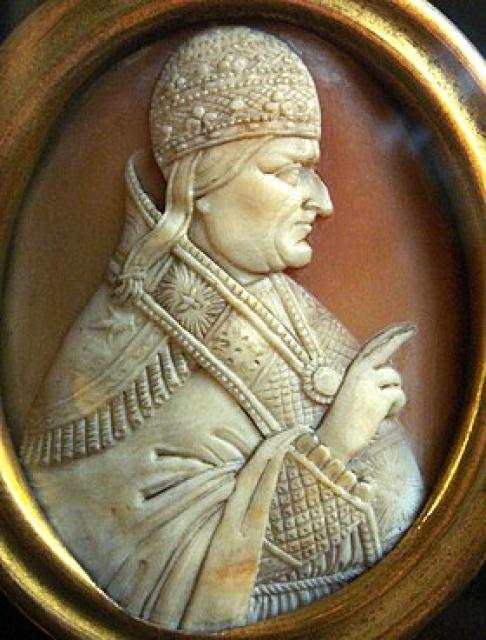
Honorius IV
 Italy
Italy- The Last of the Honorii: Pope Honorius IV
- Pontificate
- Papal Affairs
- The Sicilian Conflict
- Papal Authority in Rome
- The Empire
- Other Acts
- Death and Legacy
The Last of the Honorii: Pope Honorius IV
Early Life and CareerGiacomo Savelli was born into a wealthy and influential family in Rome. He studied at the University of Paris and later held the canonry of the cathedral of Châlons-en-Champagne. He then became rector of Burton Church in the Diocese of Norwich, England.
In 1261, Savelli was created cardinal-deacon of Santa Maria in Cosmedin by Pope Urban IV, who also appointed him papal prefect in Tuscany and captain of the papal army. Cardinal Savelli embarked on an active diplomatic career.
Pontificate
ElectionFollowing the death of Pope Martin IV in 1285, Cardinal Savelli was unanimously elected Pope on May 20, taking the name Honorius IV. His election was one of the shortest in papal history. On the same day, he was consecrated bishop and crowned Pope in St. Peter's Basilica.
Papal Affairs
Honorius IV was frail and suffered from severe gout, rendering him unable to stand or walk. During Mass, he was forced to sit on a chair.
The Sicilian Conflict
The affairs of Sicily commanded the new Pope's attention. The Sicilians had rejected Charles of Anjou as their ruler, electing Peter III of Aragon without papal consent. The "Sicilian Vespers" massacre of 1282 had closed the possibility of reconciliation.
Honorius IV supported the Angevins and upheld the ecclesiastical penalties imposed on Sicily. However, he was less tyrannical in his approach than Martin IV. He issued the "Constitution super ordinatione regni Siciliae" in 1285, emphasizing the role of justice and peace in governing.
Papal Authority in Rome
Rome and the Papal States enjoyed a period of tranquility under Honorius IV. He pacified his most formidable opponent, Count Guido di Montefeltro. The Pope's authority was recognized throughout the Papal territories, which included the Exarchate of Ravenna, the Duchy of Spoleto, the County of Bertinoro, and the Pentapolis.
Honorius IV was the first Pope to employ banking families from central and northern Italy to collect papal taxes.
The Empire
King Rudolph I of Germany sought a coronation from Honorius IV. The Pope sent Cardinal Giovanni Boccamazzo to assist Rudolph, but opposition from German princes limited papal involvement.
Other Acts
Honorius IV supported plans for another crusade, but his efforts were primarily limited to the collection of tithes. He granted privileges to the Dominican and Franciscan orders, including the right to conduct inquests. He also favored the Carmelites and Augustinians.
Death and Legacy
Pope Honorius died on April 3, 1287. His tomb is located in the Church of Santa Maria in Aracoeli in Rome.