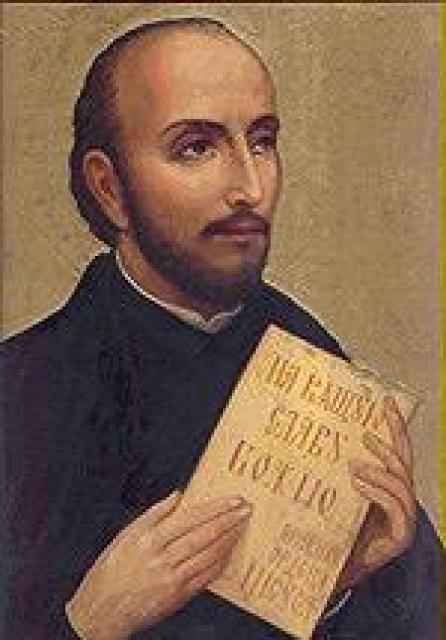
Ignatiy Loyola
 Spain
Spain- Ignatius Loyola: Founder of the Society of Jesus
- Early Life and Transformation
- Spiritual Awakening and Pilgrimage
- Mystical Experience and Spiritual Insight
Ignatius Loyola: Founder of the Society of Jesus
Ignatius Loyola, a Spanish nobleman and the founder of the Society of Jesus, also known as the Jesuit Order, passed away on July 31, 1556. The Jesuit Order is one of the largest and most influential orders within the Catholic Church, with over a thousand members at the time of Loyola's death.
Early Life and Transformation
When we last bid farewell to Loyola, he was confined to his bed in his ancestral castle in the Basque Country, recovering from numerous battle wounds. As a young courtier of aristocratic background, Loyola requested some knightly romances as entertainment, which was common reading material during that time. However, there were no such romances available in the castle, and instead, Loyola was given a Bible and "Lives of the Saints" - the only literature his ancestors permitted themselves to read. Initially intending to return the books, Loyola found himself bored and opened them. It was during this moment that his miraculous transformation occurred.
Spiritual Awakening and Pilgrimage
The more Loyola read, the clearer it became to him that his previous life had been filled with vanity and emptiness. As soon as he was able to stand, he decided to embark on a journey to Jerusalem, seeking to die where the Savior had lived. On his way to Palestine, Loyola visited the holiest site in Spain - the chapel in Montserrat, which housed a wooden sculpture of the Virgin Mary, according to legend, carved by the evangelist Luke. On his knees before this figure, Loyola spent an entire night, seeking forgiveness for all the unchristian acts he had committed during his sinful thirty-one years of life. Making a vow to never repeat such actions, he laid his sword and dagger at the altar and distributed his remaining luxurious clothes to the poor. Continuing his journey, Loyola arrived in the small town of Manresa, where he stumbled upon a cave and decided to spend a few days there in prayer and penance. However, his stay in Manresa unexpectedly extended for ten months.
Mystical Experience and Spiritual Insight
For the Jesuits, this period of Loyola's life is of great significance as it was in Manresa that he claimed to have seen the Lord. However, Loyola never shared the specifics of what he actually saw, but he frequently emphasized that in a few minutes of that vision, he understood more than he had in his entire previous life. From that point on, he no longer looked at the world with the same eyes. The Jesuits believe that only the Almighty Lord could have such an impact on a person. Let us leave that judgment to them.