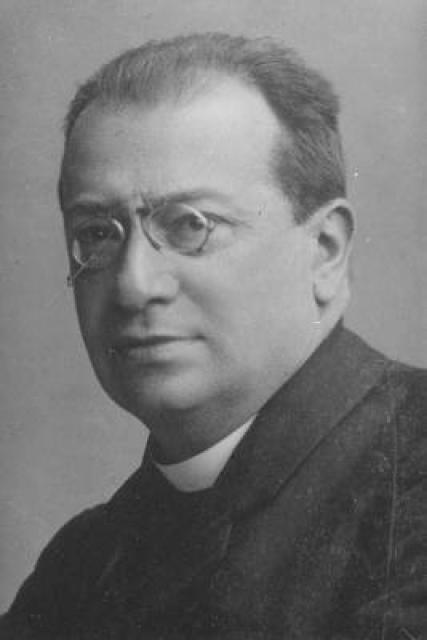
Ottokar Kernstock
 Austria
- Josef Weinheber: Austrian Poet and Catholic Priest
- Early Life
- Poetic Style
- Anthem of Austria
- Nazi Sympathies
- Post-War Legacy
- Death and Commemoration
Josef Weinheber: Austrian Poet and Catholic Priest
Josef Weinheber was an Austrian poet and Catholic priest known for his bombastic and archaic style, imbued with German nationalist sentiments.
Early Life
Weinheber was born in 1892 in Vienna, Austria. He studied theology and was ordained into the priesthood in 1913. However, he gradually drifted away from the Church and became involved in literature.
Poetic Style
Weinheber's poetry was characterized by its ornate language, archaic forms, and a profound sense of German nationalism. He was heavily influenced by the works of Friedrich Hölderlin and Stefan George.
Anthem of Austria
In 1929, Weinheber's poem "Österreichisches Bundeslied" was adopted as the anthem of Austria. Set to the melody of the German national anthem "Deutschland, Deutschland über alles," the song became a symbol of Austrian patriotism.
Nazi Sympathies
During the rise of the Nazi movement, Weinheber expressed admiration for Adolf Hitler. He composed a hymn in honor of the Nazis titled "Das Hakenkreuz im weißen Feld."
Post-War Legacy
After the liberation of Austria from Nazi occupation, Weinheber's name and work were gradually forgotten. Most of the monuments and streets that were once named after him were renamed.
Death and Commemoration
Weinheber died in 1945 at the age of 53. Today, his legacy remains contested, with some considering him a talented poet who fell victim to Nazi propaganda, while others condemn his role in promoting German nationalism.





