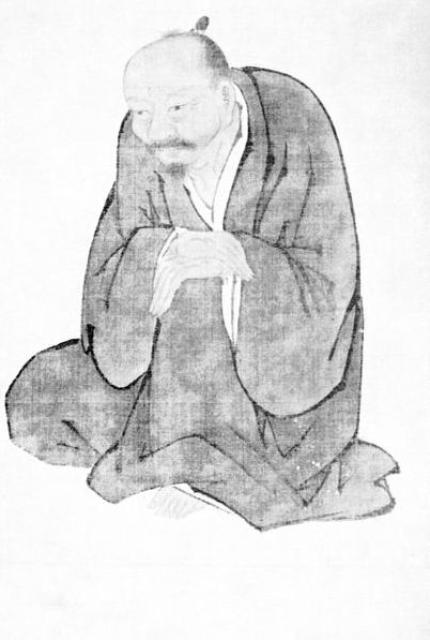
Ike Taiga
 Japan
Japan- Ike no Taiga: Renowned Japanese Artist and Calligrapher
- Apprenticeship and Professional Career
- Artistic Collaborations and Influences
- Marriage and Travels
- National Recognition and Legacy
Ike no Taiga: Renowned Japanese Artist and Calligrapher
Early Life and EducationBorn into an impoverished peasant family, Ike no Taiga's father passed away when he was three years old. Despite their circumstances, Taiga's mother provided him with a classical Japanese and Chinese education. At age six, he began studying calligraphy and religious disciplines at Mampuku-ji Buddhist temple in Kyoto.
Apprenticeship and Professional Career
At age 14, Taiga became a professional artist and calligrapher, continuing to hone his skills. In 1738, he apprenticed under the renowned master Yanagisawa Kienu. In 1743, he adopted the name "Taiga," shortening his family name "Ikeno" to emulate Chinese customs.
Artistic Collaborations and Influences
In the early 1740s, Taiga established an art shop in Kyoto, attracting like-minded artists. He befriended poet and artist Yosa Buson, with whom he developed and refined the "nanga" (bunjinga) style. Taiga's works often reflected the influence of classical Chinese culture and innovative Western techniques.
Marriage and Travels
In 1746, Taiga married the proprietor of a teahouse. Two years later, he embarked on extensive travels throughout Japan, visiting destinations such as Kanazawa, Nikko, and Mount Fuji. He eventually settled in Edo, where he created numerous paintings and calligraphic masterpieces.
National Recognition and Legacy
Many of Ike no Taiga's works have been designated as National Treasures of Japan. His unique artistic style, which blended traditional Japanese aesthetics with Chinese and Western influences, had a profound impact on later generations of Japanese painters. Taiga's legacy as a master artist and calligrapher continues to be celebrated today.



