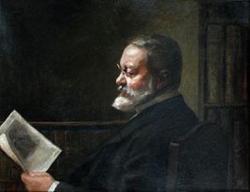
Inca Garcilaso De la Vega
 Peru
Peru- Early Life and Education
- Military Service and Literary Pursuits
- The Incan Chronicles
- Social Activist and Philanthropist
- Legacy and Impact
- Later Years and Death
Inca Garcilaso de la Vega: A Peruvian Chronicler and First Latin American
Early Life and Education
Gómez Suárez de Figueroa, known as Inca Garcilaso de la Vega, was born in Peru in 1539. His father, a Spanish governor, and his mother, an Inca princess, gave him a unique perspective on the clash between European and indigenous cultures. Despite being an illegitimate child, he claimed the Inca name to honor his royal lineage.
Military Service and Literary Pursuits
After spending his early years in Peru, Garcilaso de la Vega arrived in Spain in 1560. Unable to secure royal patronage, he joined the military and fought in the Alpujarras Rebellion. Disillusioned, he considered returning to the New World. However, after the Tupac Amaru I rebellion in 1572, he decided to remain in Spain. There, he began his literary journey, translating Italian works and writing historical accounts.
The Incan Chronicles
Garcilaso de la Vega's most famous work is "The Royal Commentaries of the Incas," published in two parts in 1609 and 1617. Drawing on his family's knowledge and Spanish historical texts, he provided a comprehensive account of the Inca Empire, its history, traditions, and religion. The work introduced European readers to the indigenous civilizations of the Americas and criticized the harsh treatment of the natives.
Social Activist and Philanthropist
In addition to his writing, Garcilaso de la Vega was a social activist who spoke out against racial discrimination and the exploitation of indigenous resources. He supported the efforts of the Spanish monarchy to convert the Incas to Christianity while condemning the use of violence in the process.
Legacy and Impact
Inca Garcilaso de la Vega is considered one of the most important chroniclers of the Inca Empire. His works have been instrumental in shaping our understanding of pre-Columbian societies and the impact of European colonialism. Despite being a product of two different worlds, Garcilaso de la Vega remained a passionate advocate for both his Inca and Spanish heritage. He is often referred to as the "First Latin American," bridging the cultural divide between the Americas and Europe.
Later Years and Death
Garcilaso de la Vega spent his later years in Cordoba, Spain, where he became a priest and devoted his time to charity. He died on April 23, 1616, the same day as William Shakespeare and Miguel de Cervantes. His remains are buried in the Cordoba Cathedral, and his name has been immortalized in Peru's iconic Cusco stadium.