Ivan Baikov
- Architect
- Career in Tula and the Caucasian Mineral Waters Region
- Leading Resort Development in KMV
- Engineering and Architectural Achievements
- Later Years and Legacy
Architect
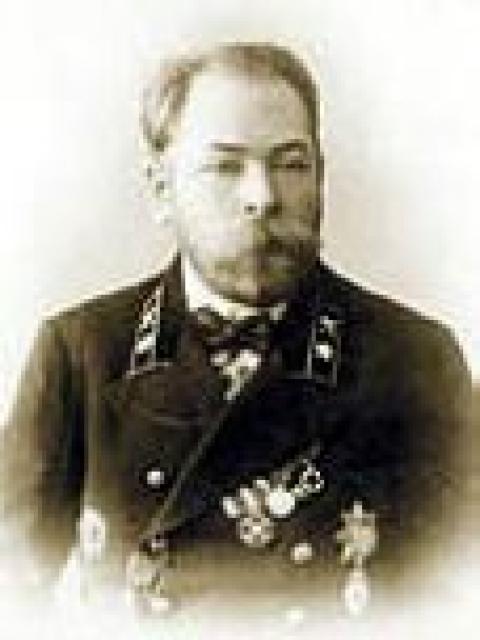
Early Life and EducationIvan Ivanovich Baikov was born on May 25, 1869, in St. Petersburg, Russia, to Finnish citizens. His grandfather was a merchant from Sortavala. Baikov graduated from the First Real School in St. Petersburg in 1888 and the St. Petersburg Institute of Civil Engineers in 1893.
Career in Tula and the Caucasian Mineral Waters Region
After his graduation, Baikov worked on the construction of hospitals and water supply systems in the Tula Governorate. In 1895, he joined the Ministry of Agriculture and State Property and became the Chief Architect of the Caucasian Mineral Waters (KMV) Administration.
Leading Resort Development in KMV
From 1895 to 1918, Baikov led the construction and development of resorts in the KMV region. He oversaw the construction of the Hydropathic Institute in Pyatigorsk, the Salt-Alkaline Baths in Yessentuki, and the Palace of the Emir of Bukhara in Zheleznovodsk, among many other significant buildings.
Engineering and Architectural Achievements
Baikov also designed and constructed the Chemical Laboratory and Seismic Station of the KMV Administration in Pyatigorsk, the temporary monument at the site of Mikhail Lermontov's duel, the "Glass Fountain" ensemble in Kislovodsk, and various engineering structures, including the Provalsky Water Supply System.
Later Years and Legacy
Until 1928, Baikov worked as an engineer and taught in KMV. He passed away on November 15, 1937, in Pyatigorsk and was buried there. Baikov's contributions left a lasting legacy on the architecture and development of the Caucasian Mineral Waters region.