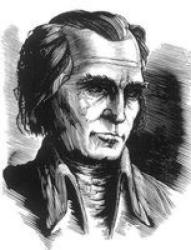
Jabbar Garyaghdioglu
- Jabbar Karyagdioglu: Master of Azerbaijani Music
- Musical Background
- Breakthrough as a Khanende
- Ascent to Fame
- Theatrical and Concert Performances
- Influence on Azerbaijani Culture
- Recognition and Awards
- Legacy
Jabbar Karyagdioglu: Master of Azerbaijani Music
Early LifeJabbar Karyagdioglu was born on March 31, 1861, in Shusha, Azerbaijan, into a family of a dyer named Mashadi Ismail. The family gave him the nickname "Karyagdy" ("snow has fallen") due to his father's reserved and taciturn nature.
Musical Background
At a young age, Karyagdioglu developed a passion for singing, inspired by his older brothers' participation in religious ceremonies. He received his initial musical education at the school of Harrat Quli, learning the art of mugham alongside religious chants. His brother Mashadi Muhammad played a crucial role in shaping his aesthetic taste, instilling in him a deep love for Azerbaijani poetry and mugham.
Breakthrough as a Khanende
At the age of 16, Karyagdioglu performed at a wedding where renowned mugham masters Haji Gusi and Mashadi Isi were present. His soulful rendition of "Kyurd-Shahnaz" impressed the audience, establishing him as a rising star. Despite his father's initial reluctance, Karyagdioglu persisted in pursuing a singing career.
Ascent to Fame
In his early twenties, Karyagdioglu's reputation spread beyond Shusha. He was invited to perform in major cities such as Baku, Ganja, Shemakha, and Aghdash. His performances often attracted large crowds, and his voice became known for its power, range, and emotional depth.
Theatrical and Concert Performances
Karyagdioglu was the first khanende to perform mugham on stage. In 1897, he played the role of Majnun in a musical based on Nizami Ganjavi's poem "Layla and Majnun." He also appeared in a production of Alisher Navoi's "Farhad and Shirin" in 1900.
Influence on Azerbaijani Culture
Karyagdioglu's contributions to Azerbaijani music extended beyond his performances. He played a significant role in preserving and transmitting the art of mugham. He compiled over 500 folk songs and musical fragments, many of which were later transcribed and published.
Recognition and Awards
Karyagdioglu received numerous accolades throughout his career. In 1934, he was awarded the first prize at the Transcaucasian People's Art Olympiad in Tbilisi. Uzeyir Hajibeyli and Muslim Magomayev transcribed over 30 of his songs into musical notation.
Legacy
Jabbar Karyagdioglu passed away on April 20, 1944, at the age of 83. He left behind a lasting legacy as one of the greatest khanendes in Azerbaijani history. His voice and artistry continue to inspire musicians and audiences alike.