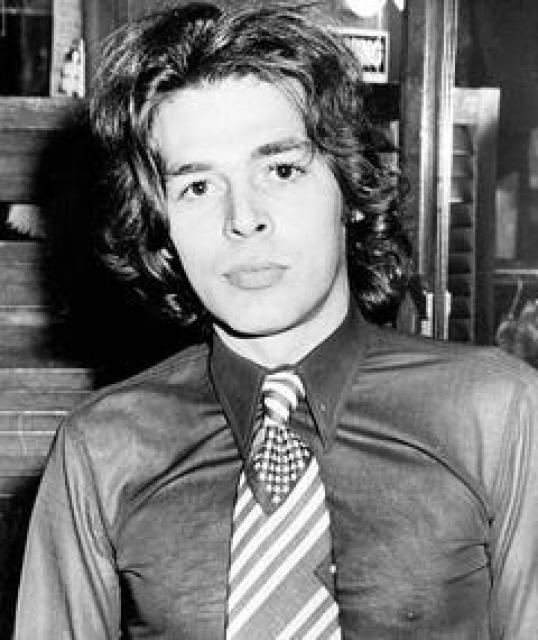
James Lemmo
 USA
James Lemmo, also credited as James Momel or James Momèl, is an American cinematographer, director, screenwriter, and photographer. Born in New York City in 1949, he built his film career in the city’s independent production world, where a single project could require people to move between creative roles. Across his credits, Lemmo worked behind the camera on thrillers, horror films, action dramas, and crime stories, then also took on writing and directing assignments of his own.
A New York Film Career
Lemmo’s cinematography credits began appearing in the early 1980s. Among his early films were Abel Ferrara’s Ms. 45 and the horror film Madman, both released in 1981, followed by One Down, Two to Go and the urban revenge thriller Vigilante. His camera work also featured in Fear City, a 1984 crime thriller set in New York’s nightlife, as well as the horror films Maniac Cop and Maniac Cop 2. In the late 1980s and early 1990s, he photographed the action thriller Relentless and the independent comedy Easy Wheels.
These films gave Lemmo a place in a distinctive era of New York genre cinema. Many were made outside the most lavish studio system, with the city itself serving as a vivid backdrop: streets, clubs, industrial spaces, and nighttime settings became part of the visual character of the stories. In that environment, the cinematographer had to find striking images with the resources available. Lemmo’s credits show him repeatedly trusted with productions where atmosphere and location mattered.
Moving Behind the Camera
Lemmo also stepped into directing and screenwriting. His director credits include Heart, Tripwire, We’re Talkin’ Serious Money, Relentless 3, Dream a Little Dream 2, and Bodily Harm. His films crossed genres, from thriller and action to crime comedy and drama. With projects such as Tripwire and Bodily Harm, he took responsibility not only for shaping the image of a film but also for its overall storytelling.
Working across cinematography, directing, and writing gave Lemmo a broad view of film production. It meant he could help shape a project at several stages: developing the story, organizing the shoot, and translating scenes into images. The films were often built around familiar genre ingredients—danger, pursuit, criminal schemes, and personal conflict—but his career itself resisted a single label. He was a working filmmaker whose assignments ranged from independent horror to commercial features.
Later Photography Work
After his film work, Lemmo focused on photography, including advertising, commercial, and product photography. The shift kept him in a visual profession while moving his work from narrative cinema to images designed to present objects and brands. His earlier experience on film sets, where framing and light help guide an audience through a story, gave him a foundation in the same visual tools used in still photography.
Legacy
James Lemmo’s name appears across a substantial stretch of independent American cinema from the 1980s and 1990s. His camera credits connect him to influential cult and genre titles, while his directing and writing work shows an interest in shaping films from conception through production. Though he has kept a low public profile, his contributions are visible in the credits of films that continue to attract audiences interested in New York crime thrillers, horror, and independent filmmaking.


