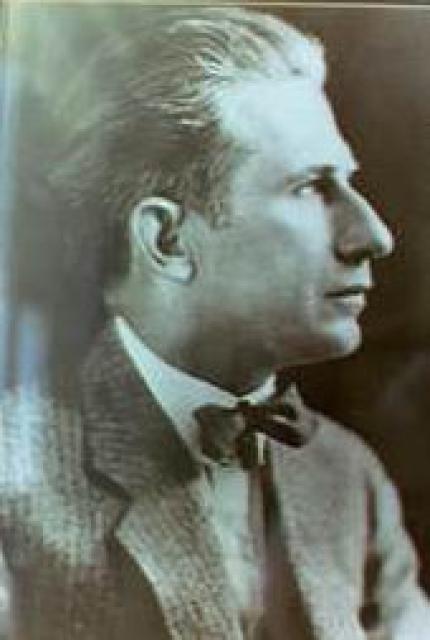
James Oliver Curwood
 USA
USA- Early Life and Career
- Nature Conservation
- The Kerwood Castle
- Literary Achievements
- Tragic Death and Legacy
- The Curwood Castle Today
- Translated Works
Early Life and Career
James Oliver Curwood was born on June 12, 1878, in Owosso, Michigan. After graduating high school, he worked as a journalist and editor. In 1909, he embarked on his first expedition to Canada, where he began gathering material for his adventure novels.
Nature Conservation
Curwood became an ardent conservationist, advocating for shorter hunting seasons and wildlife protection. In 1926, he joined the Michigan Conservation Commission.
The Kerwood Castle
By the early 1920s, Curwood's literary success had brought him wealth. In 1922, he commissioned the construction of an 18th-century style mansion in his hometown, known as the Kerwood Castle.
Literary Achievements
Curwood's literary career began with short stories published in his teenage years. He penned over 30 novels throughout his lifetime, including notable works such as "Kazan" (1914), "The Grizzly King" (1916), "The River's End" (1919), and "The Son of Kazan" (1920). His novels featured thrilling adventures set in the wilderness and often explored human interactions with wild animals.
Tragic Death and Legacy
In 1927, during a fishing trip to Florida, Curwood was bitten by a spider, which triggered a severe allergic reaction and sepsis. He passed away on July 3, 1927, at the age of 49.
The Curwood Castle Today
The Kerwood Castle has been preserved as a museum dedicated to the writer's life and work. The castle hosts annual events celebrating Curwood's legacy and continues to inspire nature enthusiasts and adventure seekers alike.
Translated Works
Several of Curwood's novels were translated into Russian by Mikhail Chekhov, the brother of renowned writer Anton Chekhov. Their stories continue to captivate readers with their vivid depictions of the untamed wilderness and the enduring bond between humans and animals.



