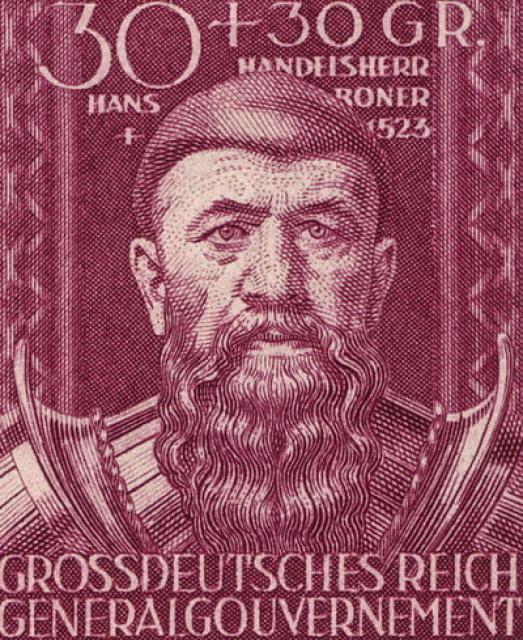
Jan Boner
 Poland
- Jan Boner: The Wealthy Entrepreneur and Banker
- Early Life and Business Ventures
- Political Influence and Wealth
- Management and Reforms
- Legacy and Influence
Jan Boner: The Wealthy Entrepreneur and Banker
Jan Boner, a renowned German-Polish entrepreneur, trader, and banker, emerged as one of the wealthiest individuals in Europe during his time. A shrewd businessman, skilled financier, and experienced administrator, Boner played a significant role in shaping the economy of Poland.
Early Life and Business Ventures
Boner's exact date of birth remains unknown, but he was born before 1463 in Landau, Palatinate. At a young age, he established himself as a trader and founded his business in Breslau. By 1483, he had settled in Kraków, Poland. Specializing in spices, metals, timber, livestock, and various other commodities, Boner expanded his ventures throughout cities and countries, with branches in Poland, Germany, Hungary, and even Russia.
Political Influence and Wealth
Boner gained considerable influence, becoming a city councilor in 1498. In 1514, King Sigismund I of Poland granted him a noble title and citizenship. As the royal banker and chief supplier to the royal court, Boner's business interests flourished, establishing him as one of the wealthiest men in Europe. His wealth extended beyond connections, as his legendary business acumen and dedication earned him the favor of the king. Notably, Boner saved the kingdom from financial distress by contributing a substantial sum of 200,000 zlotys to replenish the depleted treasury. In return, Boner acquired significant lands and assets, including the Spisz region and Oświęcim city, strengthening his financial position.
Management and Reforms
In 1515, Boner was appointed administrator of the Wieliczka salt mines, a lucrative enterprise that contributed significantly to Poland's income. He also became the owner of Ojców and Rabsztyn castles. In 1522, he was named royal administrator of Kraków. Boner continued to play a key role in the country's economic and financial affairs. He initiated the division of the treasury into royal and state funds, a reform that lasted until Poland's partition in the late 18th century. As the royal court's financial advisor and consultant, Boner oversaw indulgences and supported artists and scholars, primarily from Germany and Italy.
Legacy and Influence
Boner passed away in 1523 in Breslau during a business trip. His legacy lived on as he founded an influential family that held prominence in Poland and Europe. Boner's descendants played a significant role in supporting the Jagiellonian dynasty, further solidifying his mark on the history of Poland.