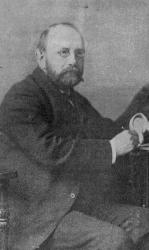
Jan Sweelinck
 Netherlands
- Jan Pieterszoon Sweelinck: A Monument of the Golden Age
- Early Life and Influences
- Organist of the Oude Kerk
- Choral Masterpiece: The Psalm Book
- Virtuoso of the Clavier
- Influence on Posterity
- Legacy and Impact
Jan Pieterszoon Sweelinck: A Monument of the Golden Age
Jan Pieterszoon Sweelinck (May 1562 – October 16, 1621) was a Dutch composer, organist, harpsichordist, and teacher whose contributions to music during the Golden Age left an enduring legacy.
Early Life and Influences
Born in Deventer, Netherlands, Sweelinck inherited his musical talent from his father, who was an organist. His early influences included the prevailing choral traditions of Flanders and the Netherlands, which had dominated European music for centuries.
Organist of the Oude Kerk
Following in his father's footsteps, Sweelinck became the organist of the Oude Kerk (Old Church) in Amsterdam, a position he held for most of his life. His exceptional organ playing earned him the title "Maker of Organists" and attracted students from throughout Europe.
Choral Masterpiece: The Psalm Book
Sweelinck played a pivotal role in the last flourish of the Renaissance choral tradition. He composed a massive collection of 150 psalm settings, demonstrating his mastery of polyphony and contrapuntal techniques. This work marked the culmination of an era and became a standard in churches and music schools.
Virtuoso of the Clavier
Sweelinck's compositions for keyboard instruments revolutionized the northern Baroque style. His music introduced innovative technical devices, such as "echoes," rapid scales and passages, and rhythmic sequences. He also advanced the concept of instrumental variations, exploring a wide range of musical ideas within a single theme.
Influence on Posterity
Sweelinck's influence on subsequent generations of musicians was profound. His works for keyboard influenced organists and composers across Europe. His innovative techniques inspired the development of new musical forms and styles, solidifying his position as a seminal figure in the history of Western music.
Legacy and Impact
Upon his death in Amsterdam in 1621, Sweelinck left behind a legacy of musical excellence that continues to inspire and fascinate musicians and audiences alike. His contributions to choral music, organ repertoire, and keyboard innovation have ensured his place as one of the most influential composers of the Golden Age.