Jane Austen
 Great Britain
Jane Austen: A Biography
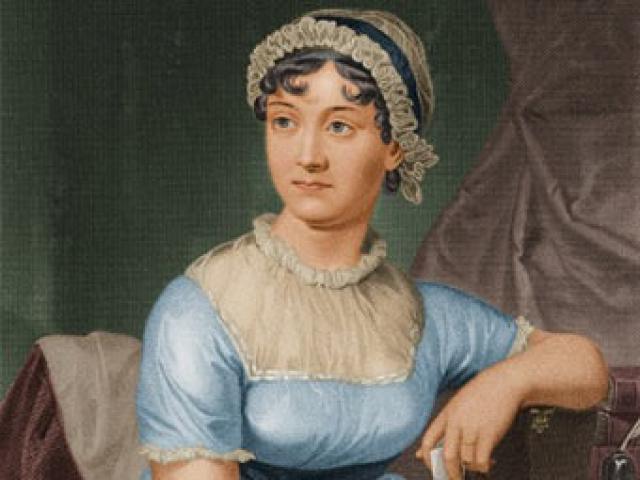
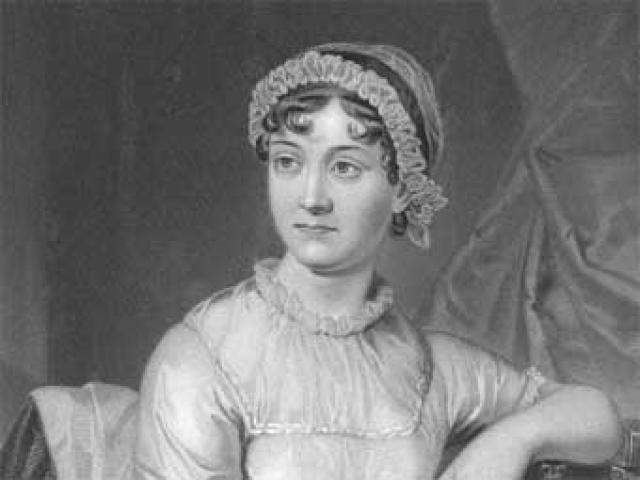
Jane Austen was born on December 16, 1775, in Steventon, Hampshire, England, into a family of a country pastor. She is known as a writer, a classic of English and world literature, and the founder of the family "lady novel." Her books, including "Sense and Sensibility" (1811), "Pride and Prejudice" (1813), "Mansfield Park" (1814), and "Emma" (1815), are considered masterpieces, captivating readers with their simple yet profound plots, deep psychological insight into the characters, and ironic, gentle, truly "English" humor. Jane Austen is rightfully considered the "First Lady" of English literature, and her works are mandatory for study in all colleges and universities in the United Kingdom.
A Life of Dedication to Perfection
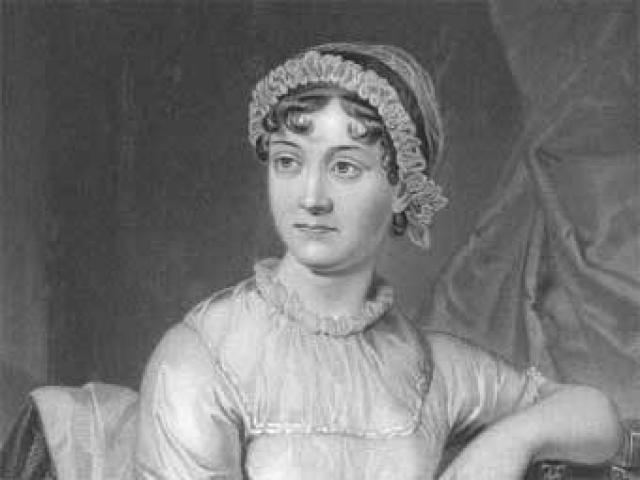
Jane Austen's literature is characterized by a constant pursuit of perfection. She was the first to use the technique of "narrative perspective" and the "author's voice" in the genre of the novel. She passed away at the age of 42. Her last novel, "Sanditon" (1817), even as an unfinished fragment, still generates genuine interest among readers.
Enduring Legacy
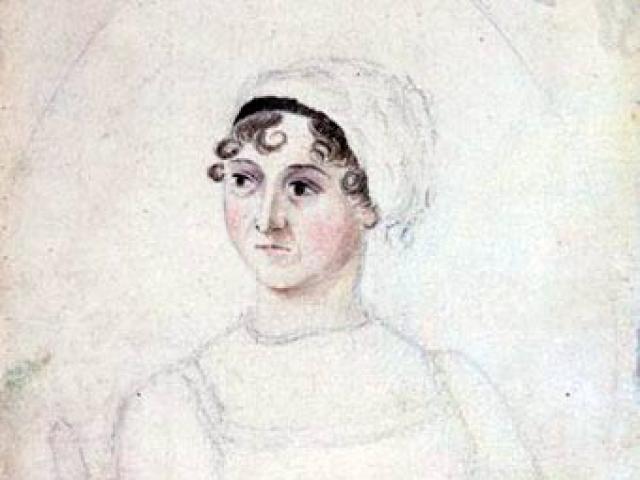
Jane Austen was called the "incomparable Jane," and her novels served as a source of education and refinement for English ladies from noble and non-noble families. She continues to captivate and enchant filmmakers worldwide, with the establishment of memorial centers, museums, and literary clubs in her name. There is even a website on the Internet that is continually updated with critical articles and essays devoted to the works of the "Miss English Novel." However, her life remains as much of a mystery to us today as it did more than two hundred years ago.
A Glimpse into Her Life
Not much is known about Jane Austen, although her family, devoted to her memory, preserved her writings, including unfinished fragments. However, she rarely kept a diary, and her letters either did not survive or remain buried in archives. Moreover, translating documents from three hundred years ago is considered a tedious and insignificant task. Nevertheless, I will attempt to tell you what little I have learned, collected, systematized, and summarized. What I have had to ponder and draw conclusions from. It is up to you to judge whether it has been successful.
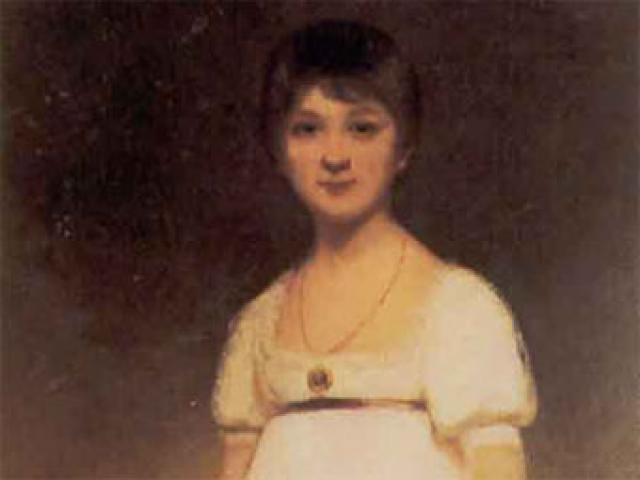
Jane Austen was born into a family of eight siblings in a small village in Hampshire, England. Despite the lack of formal education due to financial constraints, Jane possessed exceptional talent and a strong will. She educated herself extensively, reading and discussing books with her brothers and sister, taking notes on everything she learned. In her father's parsonage, they not only read the Bible and spiritual books but also performed charades, jokes, and sketches, read novels, and debated the stories, attentively listening to Jane's opinions, as she could summarize the essence of a book and amusingly retell scenes from memory in just a few words.

At the age of fourteen, Jane wrote her first parody, a satirical work titled "Love and Friendship," which mocked the moralizing stories of the 18th century with their sentimental and dull characters who sniffed roses, sobbed over them, and fainted every five minutes. She also composed a larger parody, a pamphlet on Oliver Goldsmith's "The History of England," a comprehensive work of a historian-politician. This dusty folio was kept in her father's office, and Jane took the trouble to study it meticulously. When the local doctor visited her father and listened to Jane's reading with interest, he praised her for reading interesting and serious books. Learning that the young girl had presented him with her own playful work, he was amazed, laughed, shook his gray head in astonishment, and then spent a long time telling his neighbors and patients about the little genius Jane, the pastor's daughter who could not only arrange bouquets and pour tea into porcelain cups but also write witty works!
Although Jane enjoyed the quiet life of the countryside and rarely ventured beyond the boundaries of the family estate, she maintained a cheerful and amiable disposition. Her smile almost never left her face, and even in her final days, plagued by a severe illness (as indicated by documents suggesting a cancerous tumor with metastases throughout her body), she remained the favorite of her nephews, brothers, mother, and especially her father. Neither she nor her sister ever married. It is unclear whether this was due to Jane's meager dowry, her perceived lack of beauty, or her high degree of independence and intellect, which was evident in her from an early age. Whether Jane herself harbored any genuine feelings for someone remains unknown. She preferred to lock her soul and heart away, expressing herself fully only through her books, which became famous during her lifetime.
Interestingly, she published all her works under the pseudonym "A Lady" and, therefore, could not fully enjoy her own fame. However, upon reading Sir Walter Scott's review of her novel "Emma" in the English newspapers (he reviewed the book almost immediately upon its release in 1816), she felt truly happy!
Walter Scott, in his review of her final novel published during her lifetime, noted that the main greatness of Austen's works lies in the "delicate touch" that transforms even the most trivial events and characters into something interesting through the truthfulness of her descriptions and emotions. Austen never placed herself above her characters; she merely gently ridiculed them. In "Emma," there is not a single completely bad person. Even the frivolous Frank Churchill is provided with reasonable excuses and a wonderful wife. This benevolent attitude towards her characters likely stemmed from Austen's own character - she possessed remarkable wit and irony, but they were always tempered by tact and extraordinary kindness, rarely crossing into sarcasm.
Some critics have noted Austen's penchant for the theme of "husband hunting," which she develops and portrays from various angles in most of her novels. It is even impolitely mentioned that the reason for such an obsessive plot in her works was her own "old maidhood"!
However, this fact seems insignificant in the grand scheme of things. Jane Austen was a master of domestic fiction, a master of subtly depicting characters and their faces through the lens of irony, humor, and subtle reflections. She showed us the history of emotions and souls, the struggle between light and dark within a person, and perhaps even the history of the national type, the history of the country through a fragment of an individual's life, a complete history of an era painted in vivid characters.
What are the characters of "Pride and Prejudice" worth? Miss Elizabeth Bennet, her father always immersed in contemplation and books, her disheveled and perpetually clucking mother preoccupied with societal gossip and the successful marriage of her daughters! Or the caricature of a young girl from "Northanger Abbey," who was obsessed with gothic horror novels and sincerely believed that real life was full of supernatural ghosts!
Jane constantly refined her craft. She experimented with various forms of the novel and completed them all, even if they seemed imperfect under her light and delicate pen, which increasingly slipped from her thin fingers as she suffered periodic pains. She explored all forms of prose fiction, and she even wrote a short novel in letters, "Lady Susan," a vivid and intriguing portrait of a heartless socialite. She also ventured into the realm of the epic novel with "Mansfield Park," featuring numerous characters and multiple plotlines. Both novels enjoyed immense popularity, and in London's social salons, people never tired of guessing who this mysterious lady was, gifting readers with a new book every year - each one more interesting than the last!
Jane Austen's life was filled with few external events. She lived hundreds of other lives in her books, where her heroines laughed, fell in love, teased and made fun of themselves and their loved ones, despaired, and fought for their love until the end. Whether the "Lady of the English Novel" was happy in her own way is likely. She did not elevate herself above her heroines, nor did she identify herself with them. She simply created her own world in which she lived not only "by the right of the author" but also "by the right of emotion and heart's attraction." And she continues to live on forever.
Jane Austen passed away on July 18, 1817, in Winchester. Before her death, she attempted to finish her last novel, "Sanditon." She only left a few pages unfinished, leaving her readers with an eternal mystery named "Jane Austen." Her family diligently collected and preserved everything she wrote, including rough drafts. These three thick volumes, hand-bound, formed the basis for the complete collection of Jane Austen's works, released exactly one hundred years after her death!