Jayne Sefton
 Great Britain
- A Mother's Ordeal: Twin Pregnancy with Feto-Fetal Transfusion
- Discovering the Risk
- The Devastating Consequences
- Groundbreaking Surgery
- A Challenging Recovery
- Establishing a Legacy
- A Mother's Triumph
A Mother's Ordeal: Twin Pregnancy with Feto-Fetal Transfusion
In a remarkable medical feat, a British mother, Jane Sefton, underwent an innovative laser surgery to save her unborn twin daughters, Annabelle and Ruby, who were suffering from feto-feto transfusion syndrome (FFTS).
Discovering the Risk
Sefton first noticed an unusual growth spurt at 18 weeks of gestation. A subsequent scan at Liverpool Women's Hospital revealed that Annabelle, due to FFTS, was significantly larger than her twin sister. In FFTS, which occurs only in pregnancies with identical twins sharing a single placenta, blood supply can be disproportionately distributed between the developing fetuses.
The Devastating Consequences
Untreated, FFTS has a mortality rate of up to 90% for both babies. In Sefton's case, the disparity in growth between the twins was so significant that one doctor described the situation as "more than 12% different, with one very large and one very small baby." Without intervention, the larger twin could develop heart failure due to excessive blood flow, while the smaller twin could suffer from anemia and stunted growth due to restricted blood flow.
Groundbreaking Surgery
In March 2016, at 24 weeks pregnant, Sefton underwent a 45-minute laser ablation procedure at King's College Hospital. Under local anesthesia, Sefton watched the procedure on a screen as surgeons used a laser beam to seal off some of the blood vessels in the placenta, balancing the blood supply between the twins.
A Challenging Recovery
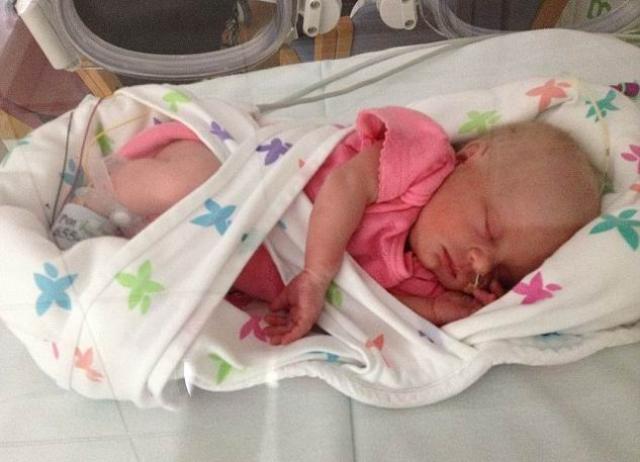
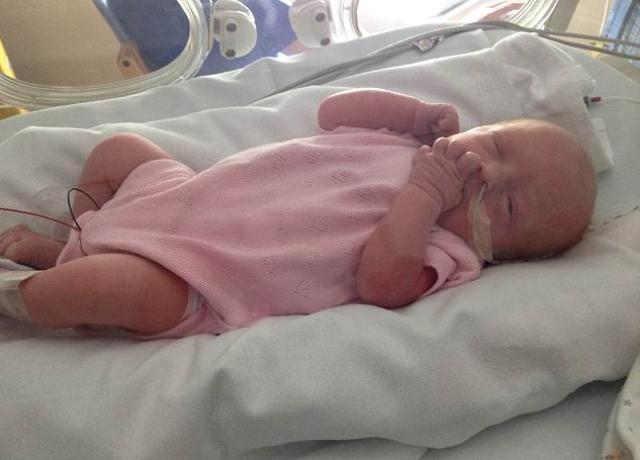
Post-surgery, Sefton faced an additional challenge as Annabelle experienced another growth spurt, resulting in a 50% difference in size compared to Ruby. Both babies were born with twin anemia-polycythemia sequence as a complication of FFTS. However, under the watchful care of medical professionals, they gradually recovered.
Establishing a Legacy
Sefton's story highlights the importance of early detection and treatment of FFTS. In the UK, only a few hospitals can currently offer laser ablation surgery, but Liverpool Women's Hospital is expected to introduce the procedure in 2017. Tamba, an organization supporting families affected by TTTS, maintains a registry to collect data and raise awareness about the condition.
A Mother's Triumph
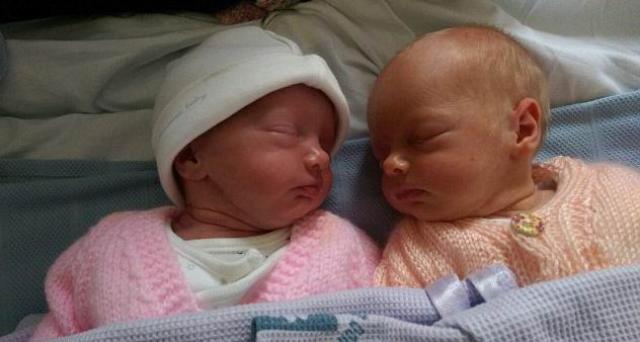
Jane Sefton's story is a testament to the power of medical advancements and the resilience of human life. Despite the challenges she faced, she emerged as a courageous mother, determined to give her daughters the best possible chance. Today, Annabelle and Ruby thrive as healthy, happy twins, a testament to the transformative power of modern medicine.