Jean Baptiste Camille Corot
 France
- Early Life and Education
- The Roman Years
- Return to France and the Influence of Romanticism
- Figures and Romantic Landscapes
- Late Style and Recognition
- Death and Legacy
Early Life and Education
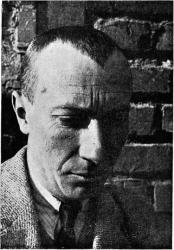
Born in Paris on July 17, 1796, Camille Corot received a brief training in landscape painting under Michallon and Bertin in 1822. However, he is largely considered self-taught.
The Roman Years
From 1825 to 1828, Corot spent time in Rome where he honed his skills through landscape sketches and studies. This period proved pivotal in his artistic development, leading to works such as "View of the Colosseum" (1826) and "Augustus Bridge over the River Nera" (1827).
Return to France and the Influence of Romanticism
Upon returning to France, Corot depicted the surroundings of Paris, the Forest of Fontainebleau, and rural scenes of Normandy, Picardy, and Burgundy. In "Chartres Cathedral" (1830), the influence of Romanticism can be seen in the softened brushstrokes.
Figures and Romantic Landscapes
Corot's second trip to Italy in 1834 marked a shift in his landscapes as he began to incorporate human figures. These figures added a narrative element to his works.
Late Style and Recognition
After 1850, Corot's style evolved significantly. Rather than capturing the immediate impression of nature, he sought to convey its poetic charm through soft, fluid forms and atmospheric effects. Notable paintings of this period include "Dance of the Nymphs" (1851) and "Reminiscence of Mortefontaine" (1864).
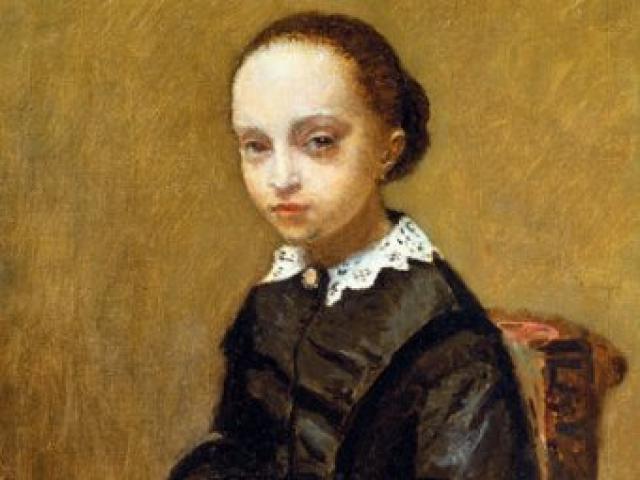
Despite some critics' skepticism of the quality of his works produced during his period of popularity, Corot continued to create notable pieces such as "Woman with a Pearl" (1868). He blended classical landscape traditions with Romanticism and Realism, paving the way for the artistic innovations of Impressionism.
Death and Legacy
Camille Corot passed away in Paris on February 22, 1875. His unique artistic vision, characterized by its soft, lyrical landscapes and poetic sensibility, continues to be celebrated today.