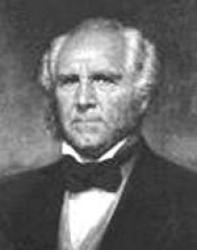
Jehronimo
 USA
USABiography of Geronimo
Geronimo was the leader of the Chiricahua Apache tribe who fought against the United States Army for four years. A journalist described Geronimo as having strong and rugged features, with a wide and heavy nose, low and wrinkled forehead, full and strong chin, and eyes like two obsidian stones with a light behind them. His mouth, the most remarkable feature, was sharp, straight, and had a long and unbroken line. Even today, it is difficult to feel indifferent towards this last Native American leader who defied the destiny that drove the United States westward.

By 1881, the Sioux and Cheyenne, who had defeated Custer's army at the Battle of Little Bighorn, were defeated and pacified. Crazy Horse was dead, killed by a soldier while resisting arrest. Sitting Bull, a prisoner at Fort Randall, was giving interviews to newspapers. Chief Joseph of the Nez Perce had surrendered; now his people were dying from malaria in Oklahoma. Only four Chiricahua Apache communities remained free, roaming Southern Arizona and New Mexico. The Chiricahua were led by many great leaders, such as Cochise, Mangas Coloradas, Delgadito, and Victorio. By 1881, all four were dead. However, for another five years, the only divinely-inspired warrior Geronimo continued his futile resistance. In the end, Geronimo's group consisted of only 16 warriors, 12 women, and 6 children. They were opposed by 5,000 United States soldiers, a quarter of the entire army, and possibly 3,000 Mexican soldiers. Fighting against such overwhelming forces and holding out for so long, Geronimo became the most famous Apache.

For several seasons, over the course of four years, I traveled the Southwest in search of the key places in Geronimo's people's fate. Since the Apaches were nomads, the former homeland of the Chiricahua left only insignificant traces of their passage. Thus, my search for Geronimo's Southwest became a personal, intuitive journey, made even more powerful by the silence of the landscape, the mysterious expanse of rocky mountains, pine forests, and silent deserts.
Geronimo was not a chief, but rather a shaman-prophet and military leader. Chiefs turned to him for wisdom, which came to him in sudden visions. Geronimo had little of Cochise's majestic solitude. Instead, Geronimo was a master manipulator, an opportunist. He was constantly scheming, worrying about the unknown, and troubled by what he couldn't control. He was naturally distrustful, and the betrayals of the Mexicans and Americans only intensified this trait. He was endowed with immense mental cunning and constantly puzzled over questions he couldn't fathom. Furthermore, he was a pragmatist. He was a talker - not a great orator, but a speaker, a debater, a fan of ideas. With a revolver or rifle, he was one of the best marksmen among the Chiricahua. He enjoyed a good drink, whether it was tiswin, an Apache corn beer, or whiskey obtained from traders. Over his short life, he had nine wives and many children.
What made Geronimo such a skilled leader? His bravery in battle, his prophetic foresight, and his sharp mind all gave him authority. And his refusal to surrender, even when faced with hopelessness, inspired others.
To begin with, there were never many Apaches, possibly 6,000-8,000 in the 1860s. Although the white men called them all Apaches, they lived largely apart, mostly antagonistic communities. And indeed, the army succeeded in pacifying most of them by using warriors from one community to track and wage war against warriors from another. Geronimo was born around 1823 at the confluence of the three forks of the Gila River, in what is now the western part of New Mexico, then part of Mexico. For Geronimo, like every Apache, the birthplace held great significance: when in his wanderings through his hunting grounds, he returned there, he rolled on the ground in all four directions.
This river junction is in the heart of the Gila Wilderness, not far from the Cliff Dwellings of the 13th-century Mogollon people. The Apaches often camped there. On a warm, windy day in May, I wandered through the middle fork of the Gila, crossing the river where it intersected my path. The banks were lined with giant sycamores and cottonwoods. The spotted canyon walls glowed red in the sunlight. Soon, I came upon a hot spring bubbling up from the bedrock, forming pools deep enough to bathe in. I dipped my finger into the water, which was so hot it was hard to bear. Knowing that Geronimo had played at this spring as a boy gave me a sense of internal connection.
His family called him Goyathlay, which is usually translated as "One Who Yawns." The Mexicans started calling him Geronimo, possibly after the saint, Jerome. The name emerged in battle, where Goyathlay, through a hail of bullets, repeatedly charged at soldiers with a knife in his hand. When they saw the approaching Indian warrior, they shouted in desperation, "Geronimo."
A turning point in Geronimo's life occurred north of the Chiricahua, in the town of Janos. Today, Janos is just a crossroads with a truck stop 35 miles south of the "boot" of New Mexico, but then it was a major Spanish fort. By the early 1850s, when few Chiricahua had seen White Eyes (as they called Anglo-Americans), they had withstood two centuries of slaughter by Spaniards and Mexicans. The latter, when they failed to make a lasting peace with the Apaches, pursued a policy of genocide, starting in 1837 with the state of Chihuahua offering bounties for Apache scalps.
Around 1850, the citizens of Janos offered peace, inviting the Chiricahua to trade. While the Apache men conducted trade for furs and pelts in town, the women and children remained at the camp on the borderland. One day, a roaming detachment of Mexican soldiers from the neighboring state of Sonora stumbled upon the camp. They immediately killed 25 women and children and captured another 50-60, whom they later sold into slavery.
Geronimo returned from town to find the dead bodies of his mother, his young wife, and three children. "There was no light in the camp, so no one noticed me as I silently turned and walked to the river," he said in an interview over half a century later. "How long I stood there, I do not know..."
In the dead of night, the community fled north, leaving their dead on the field. "I stood until all had passed, scarcely realizing what I would do—I had no weapon and was scarcely conscious of a desire to avenge the death of my loved ones. It was not the plan to fight, I knew, that had taken possession of my being. I knew only that I was weak and helpless, and that I had been wronged and that the wrong must be avenged. Finally, I stood silent and followed the tribe, but at a distance, for I felt that I was unfitted to associate with any one." Until the end of his life, Geronimo hated all Mexicans. He killed them whenever he could, without mercy. Although it is hard to imagine, the governor of Sonora claimed that in the last five months of Geronimo's wild career, his band of 16 warriors killed 500-600 Mexicans.
Geronimo gained his Power soon after the disaster at Janos. According to one Apache, who was a boy at the time, Geronimo heard a voice when he was alone, grieving for his family, his head bowed, and he sat, weeping. The voice called his name four times (4 being a sacred number to the Apache), and then delivered this message: "No bullet will kill you. I will take bullets from the rifles of the Mexicans; only powder will remain. And I will guide your arrows." From that day, Geronimo believed he would not die from bullets, and his courage was based on this belief.
In the 1870s, as the White Eyes became more numerous, Geronimo and his community crossed the border into the Sierra Madre, where the Chiricahua felt safe. It was here, deep in the mountains, that Yudah, who had been a lifelong friend of Geronimo's and one of the best military strategists of the Chiricahua, received a vision sent by Ussen. From a thin cloud, Ussen spoke to him. He told Yudah that the Chiricahua's homeland was the territory given to them by Ussen, which included northeastern Arizona, southwestern New Mexico, and the expanse of northern Mexico along the Sierra Madre range. Army officers who tried to track the Indians in this wilderness called it the most difficult terrain in North America. Scarcity of water, steep and tangled cliffs, cactus and prickly bushes, tattered clothes, rattlesnakes underfoot—white men ventured into such lands only with great caution.
But the Apaches belonged to this land. They knew every spring and pass for hundreds of miles in all directions; it was nothing for them to travel 75-100 miles a day; they could quickly ascend mountains where soldiers tired and stumbled; they could become invisible in the short grass or along the stream's edge; they could leave such a light trail that only another Apache could follow it. In the desert, where white men starved, they fed on mesquite beans, the hearts of the agave, saguaro, and prickly pear fruits, juniper berries, and piñon nuts.
In the 1870s, as the Whites became more numerous, Geronimo and his community crossed the border into the Sierra Madre, where the Chiricahua felt safe. It was here, deep in the mountains, that Yudah, who had been a lifelong friend of Geronimo's and one of the best military strategists of the Chiricahua, received a vision sent by Ussen. From a thin cloud, Ussen spoke to him. He told Yudah that the Chiricahua's homeland was the territory given to them by Ussen, which included northeastern Arizona, southwestern New Mexico, and the expanse of northern Mexico along the Sierra Madre range. Army officers who tried to track the Indians in this wilderness called it the most difficult terrain in North America. Scarcity of water, steep and tangled cliffs, cactus and prickly bushes, tattered clothes, rattlesnakes underfoot—white men ventured into such lands only with great caution.
But the Apaches belonged to this land. They knew every spring and pass for hundreds of miles in all directions; it was nothing for them to travel 75-100 miles a day; they could quickly ascend mountains where soldiers tired and stumbled; they could become invisible in the short grass or along the stream's edge; they could leave such a light trail that only another Apache could follow it. In the desert, where white men starved, they fed on mesquite beans, the hearts of the agave, saguaro, and prickly pear fruits, juniper berries, and piñon nuts.
By the 1850s, as the Whites became more numerous, Geronimo and his community crossed the border into the Sierra Madre, where the Chiricahua felt safe. It was here, deep in the mountains, that Yudah, who had been a lifelong friend of Geronimo's and one of the best military strategists of the Chiricahua, received a vision sent by Ussen. From a thin cloud, Ussen spoke to him. He told Yudah that the Chiricahua's homeland was the territory given to them by Ussen, which included northeastern Arizona, southwestern New Mexico, and the expanse of northern Mexico along the Sierra Madre range. Army officers who tried to track the Indians in this wilderness called it the most difficult terrain in North America. Scarcity of water, steep and tangled cliffs, cactus and prickly bushes, tattered clothes, rattlesnakes underfoot—white men ventured into such lands only with great caution.
But the Apaches belonged to this land. They knew every spring and pass for hundreds of miles in all directions; it was nothing for them to travel 75-100 miles a day; they could quickly ascend mountains where soldiers tired and stumbled; they could become invisible in the short grass or along the stream's edge; they could leave such a light trail that only another Apache could follow it. In the desert, where white men starved, they fed on mesquite beans, the hearts of the agave, saguaro, and prickly pear fruits, juniper berries, and piñon nuts.
In the 1870s, as the Whites became more numerous, Geronimo and his community crossed the border into the Sierra Madre, where the Chiricahua felt safe. It was here, deep in the mountains, that Yudah, a lifelong friend of Geronimo's and one of the best military strategists of the Chiricahua, received a vision sent by Ussen. From a thin cloud, Ussen spoke to him. He told Yudah that the Chiricahua's homeland was the territory given to them by Ussen, which included northeastern Arizona, southwestern New Mexico, and the expanse of northern Mexico along the Sierra Madre range. Army officers who tried to track the Indians in this wilderness called it the most difficult terrain in North America. Scarcity of water, steep and tangled cliffs, cactus and prickly bushes, tattered clothes, rattlesnakes underfoot—white men ventured into such lands only with great caution.
But the Apaches belonged to this land. They knew every spring and pass for hundreds of miles in all directions; it was nothing for them to travel 75-100 miles a day; they could quickly ascend mountains where soldiers tired and stumbled; they could become invisible in the short grass or along the stream's edge; they could leave such a light trail that only another Apache could follow it. In the desert, where white men starved, they fed on mesquite beans, the hearts of the agave, saguaro, and prickly pear fruits, juniper berries, and piñon nuts.
In the 1870s, as the Whites became more numerous, Geronimo and his community crossed the border into the Sierra Madre, where the Chiricahua felt safe. It was here, deep in the mountains, that Yudah, a lifelong friend of Geronimo's and one of the best military strategists of the Chiricahua, received a vision sent by Ussen. From a thin cloud, Ussen spoke to him. He told Yudah that the Chiricahua's homeland was the territory given to them by Ussen, which included northeastern Arizona, southwestern New Mexico, and the expanse of northern Mexico along the Sierra Madre range. Army officers who tried to track the Indians in this wilderness called it the most difficult terrain in North America. Scarcity of water, steep and tangled cliffs, cactus and prickly bushes, tattered clothes, rattlesnakes underfoot—white men ventured into such lands only with great caution.
But the Apaches belonged to this land. They knew every spring and pass for hundreds of miles in all directions; it was nothing for them to travel 75-100 miles a day; they could quickly ascend mountains where soldiers tired and stumbled; they could become invisible in the short grass or along the stream's edge; they could leave such a light trail that only another Apache could follow it. In the desert, where white men starved, they fed on mesquite beans, the hearts of the agave, saguaro, and prickly pear fruits, juniper berries, and piñon nuts.
In the 1870s, as the Whites became more numerous, Geronimo and his community crossed the border into the Sierra Madre, where the Chiricahua felt safe. It was here, deep in the mountains, that Yudah, a lifelong friend of Geronimo's and one of the best military strategists of the Chiricahua, received a vision sent by Ussen. From a thin cloud, Ussen spoke to him. He told Yudah that the Chiricahua's homeland was the territory given to them by Ussen, which included northeastern Arizona, southwestern New Mexico, and the expanse of northern Mexico along the Sierra Madre range. Army officers who tried to track the Indians in this wilderness called it the most difficult terrain in North America. Scarcity of water, steep and tangled cliffs, cactus and prickly bushes, tattered clothes, rattlesnakes underfoot—white men ventured into such lands only with great caution.
But the Apaches belonged to this land. They knew every spring and pass for hundreds of miles in all directions; it was nothing for them to travel 75-100 miles a day; they could quickly ascend mountains where soldiers tired and stumbled; they could become invisible in the short grass or along the stream's edge; they could leave such a light trail that only another Apache could follow it. In the desert, where white men starved, they fed on mesquite beans, the hearts of the agave, saguaro, and prickly pear fruits, juniper berries, and piñon nuts.
By the 1850s, as the Whites became more numerous, Geronimo and his community crossed the border into the Sierra Madre, where the Chiricahua felt safe. It was here, deep in the mountains, that Yudah, who had been a lifelong friend of Geronimo's and one of the best military strategists of the Chiricahua, received a vision sent by Ussen. From a thin cloud, Ussen spoke to him. He told Yudah that the Chiricahua's homeland was the territory given to them by Ussen, which included northeastern Arizona, southwestern New Mexico, and the expanse of northern Mexico along the Sierra Madre range. Army officers who tried to track the Indians in this wilderness called it the most difficult terrain in North America. Scarcity of water, steep and tangled cliffs, cactus and prickly bushes, tattered clothes, rattlesnakes underfoot—white men ventured into such lands only with great caution.
But the Apaches belonged to this land. They knew every spring and pass for hundreds of miles in all directions; it was nothing for them to travel 75-100 miles a day; they could quickly ascend mountains where soldiers tired and stumbled; they could become invisible in the short grass or along the stream's edge; they could leave such a light trail that only another Apache could follow it. In the desert, where white men starved, they fed on mesquite beans, the hearts of the agave, saguaro, and prickly pear fruits, juniper berries, and piñon nuts.
In the 1870s, as the Whites became more numerous, Geronimo and his community crossed the border into the Sierra Madre, where the Chiricahua felt safe. It was here, deep in the mountains, that Yudah, a lifelong friend of Geronimo's and one of the best military strategists of the Chiricahua, received a vision sent by Ussen. From a thin cloud, Ussen spoke to him. He told Yudah that the Chiricahua's homeland was the territory given to them by Ussen, which included northeastern Arizona, southwestern New Mexico, and the expanse of northern Mexico along the Sierra Madre range. Army officers who tried to track the Indians in this wilderness called it the most difficult terrain in North America. Scarcity of water, steep and tangled cliffs, cactus and prickly bushes, tattered clothes, rattlesnakes underfoot—white men ventured into such lands only with great caution.
But the Apaches belonged to this land. They knew every spring and pass for hundreds of miles in all directions; it was nothing for them to travel 75-100 miles a day; they could quickly ascend mountains where soldiers tired and stumbled; they could become invisible in the short grass or along the stream's edge; they could leave such a light trail that only another Apache could follow it. In the desert, where white men starved, they fed on mesquite beans, the hearts of the agave, saguaro, and prickly pear fruits, juniper berries, and piñon nuts.
In the 1870s, as the Whites became more numerous, Geronimo and his community crossed the border into the Sierra Madre, where the Chiricahua felt safe. It was here, deep in the mountains, that Yudah, a lifelong friend of Geronimo's and one of the best military strategists of the Chiricahua, received a vision sent by Ussen. From a thin cloud, Ussen spoke to him. He told Yudah that the Chiricahua's homeland was the territory given to them by Ussen, which included northeastern Arizona, southwestern New Mexico, and the expanse of northern Mexico along the Sierra Madre range. Army officers who tried to track the Indians in this wilderness called it the most difficult terrain in North America. Scarcity of water, steep and tangled cliffs, cactus and prickly bushes, tattered clothes, rattlesnakes underfoot—white men ventured into such lands only with great caution.
But the Apaches belonged to this land. They knew every spring and pass for hundreds of miles in all directions; it was nothing for them to travel 75-100 miles a day; they could quickly ascend mountains where soldiers tired and stumbled; they could become invisible in the short grass or along the stream's edge; they could leave such a light trail that only another Apache could follow it. In the desert, where white men starved, they fed on mesquite beans, the hearts of the agave, saguaro, and prickly pear fruits, juniper berries, and piñon nuts.
By the 1850s, as the Whites became more numerous, Geronimo and his community crossed the border into the Sierra Madre, where the Chiricahua felt safe. It was here, deep in the mountains, that Yudah, a lifelong friend of Geronimo's and one of the best military strategists of the Chiricahua, received a vision sent by Ussen. From a thin cloud, Ussen spoke to him. He told Yudah that the Chiricahua's homeland was the territory given to them by Ussen, which included northeastern Arizona, southwestern New Mexico, and the expanse of northern Mexico along the Sierra Madre range. Army officers who tried to track the Indians in this wilderness called it the most difficult terrain in North America. Scarcity of water, steep and tangled cliffs, cactus and prickly bushes, tattered clothes, rattlesnakes underfoot—white men ventured into such lands only with great caution.
But the Apaches belonged to this land. They knew every spring and pass for hundreds of miles in all directions; it was nothing for them to travel 75-100 miles a day; they could quickly ascend mountains where soldiers tired and stumbled; they could become invisible in