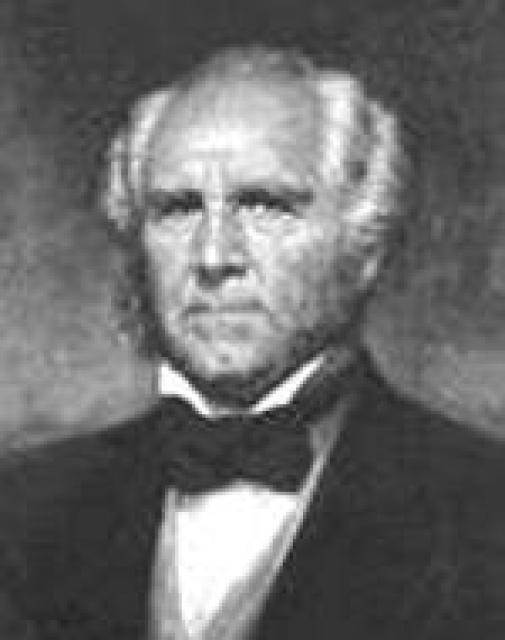
Samuel Houston
 USA
USABiography of Sam Houston
Sam Houston was born in 1793 in Lexington, Virginia, into a military family. After his father's death in 1807, his mother moved the family to the frontier in Tennessee. Despite receiving only basic education, Houston preferred spending time with Native American tribes rather than attending school. At the age of 16, he left home to travel with his Cherokee friends. Houston spent three years with the Cherokee, where he learned their language and customs.
In early 1813, Houston enlisted in Andrew Jackson's army and quickly rose through the ranks. He fought against the Creek Indians and sustained multiple battle injuries. After the war, Houston remained in the army and served in Oklahoma. However, his close relationship with the Native Americans led to conflicts with senior officers, resulting in his resignation in 1818.
Houston returned to Tennessee, studied law, and became a practicing attorney. In 1823, he was elected to the U.S. Senate and later served as the governor of Tennessee. In January 1829, Houston married but abruptly resigned eleven weeks later, leaving his wife with her parents and returning to his Cherokee friends. While living among the Native Americans, Houston embraced their traditions, clothing, and even married a half-Cherokee woman according to their laws. He visited Washington multiple times, lobbying for Native American interests among his former Senate colleagues. During his visit, he also met President Jackson, his former commander.
President Jackson assigned Houston to travel to Texas to ensure the Native Americans' loyal attitude towards American settlers. Upon his arrival during the Texas Consultation at San Felipe, there is no evidence of his direct involvement. However, his towering height, loud voice, persuasive abilities, and affinity for Native Americans intrigued the Texans, who invited Houston to lead their small army. In November 1835, Houston formally took command of the Texas armed forces and signed the proclamation declaring Texas' independence from Mexico on March 2, 1836. While he did not participate in the defense of the Alamo and Goliad, Houston trained reinforcements. He avoided direct confrontations with Santa Anna until the Mexican general was convinced that the Texans were no longer a threat.
In the Battle of San Jacinto, Houston and his Texan forces, numbering only 784, faced a Mexican army twice their size. On the morning of April 21, 1836, Houston launched a surprise attack on the unsuspecting Mexican troops and within 15 minutes, destroyed or captured all enemy forces, losing only six men. Among the prisoners was Antonio Lopez de Santa Anna. Houston compelled the Mexican general to sign an order for the withdrawal of all Mexican troops from Texas. On October 22 of the same year, Houston took the oath as the first President of the Republic of Texas. He played a crucial role in both the recognition of Texas' independence and its annexation to the Union. Houston also served as the state's first senator. In 1860, he was elected as the governor of Texas.
Despite being a slave owner and sending his son to fight for the Confederacy, Houston opposed secession and called for Texas to maintain neutrality or restore the republic. Refusing to pledge loyalty to the newly formed state, he resigned from the governorship. After his resignation, Samuel Houston lived for only two more years, passing away in 1863.


