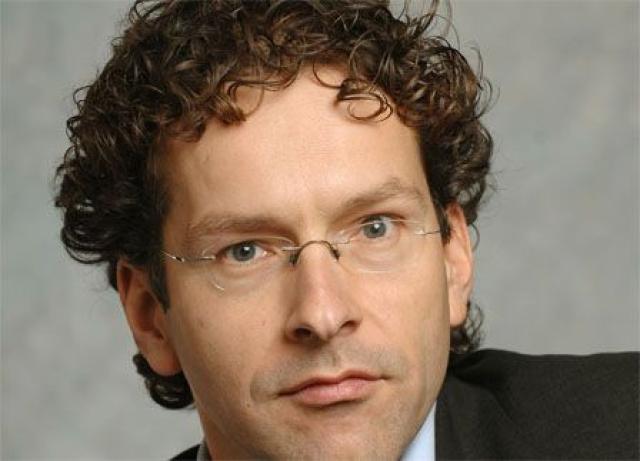
Jeroen Dijsselbloem
 Netherlands
- Early Life and Education
- Political Career
- Minister of Finance and Eurogroup President
- SNS Reaal and Cyprus Bail-In
- Personal Life
Early Life and Education
Jeroen René Victor Anton Dijsselbloem was born on March 29, 1966, in Eindhoven, the Netherlands. He grew up in a Roman Catholic family where both his parents were educators. Dijsselbloem earned his secondary school diploma and went on to pursue a degree in agricultural economics at Wageningen University, which he began in 1985.
He specialized in business economics, agricultural policy, and socio-economic history. In 1991, Dijsselbloem graduated with a Master of Science in Agricultural Economics. He then traveled to Ireland and attended University College Cork, though he did not complete a degree there.
Political Career
From 1993 to 1996, Dijsselbloem worked within the parliamentary faction of the Labour Party. He served on the Wageningen municipal council from 1994 to 1996. From 1996 to 2000, he held positions within the Ministry of Agriculture, Nature, and Fisheries under Minister Jozias van Aartsen and State Secretary Geke Faber.
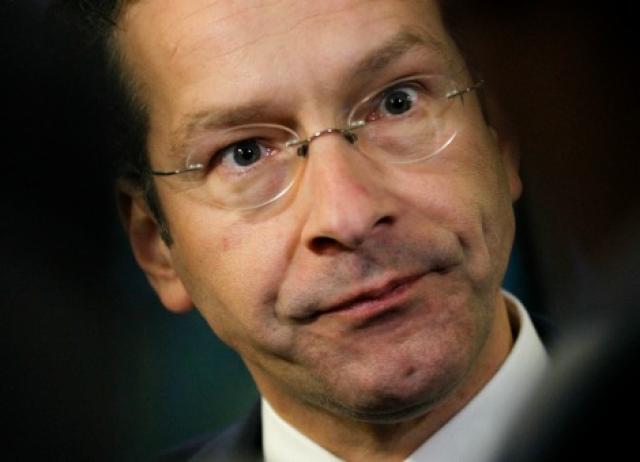
Dijsselbloem entered the House of Representatives as a member of the Labour Party in 2000. He briefly left office following the Labour Party's defeat in the 2002 general election, but returned in 2003. In 2007, he led a parliamentary inquiry into the reform of education, focusing on youth care, special education, and teachers.
When Job Cohen resigned as Labour Party parliamentary leader in 2012, Dijsselbloem served as interim parliamentary leader until Diederik Samsom took office.
Minister of Finance and Eurogroup President
Dijsselbloem has held the position of Minister of Finance in the Rutte-Asscher government since November 15, 2012. He has also served as President of the Eurogroup, a gathering of finance ministers from eurozone countries, since January 21, 2013.
SNS Reaal and Cyprus Bail-In
On February 1, 2013, Dijsselbloem nationalized SNS Reaal, preventing the bank from entering uncontrolled bankruptcy. Shareholders and subordinated debt holders received no compensation, while other major Dutch banks were required to contribute about one billion euros in support.
In March 2013, Dijsselbloem played a key role in the negotiation, decision, and subsequent public explanation of the "bail-in" model implemented in Cyprus. Critics viewed this concept as amounting to the first major bank confiscation. However, Dijsselbloem expressed confidence that markets would view the proven willingness to impose losses on creditors rather than taxpayers as a sign of prudence. He also suggested that its legalization would make financial institutions and investors more aware of the risks they were taking and the consequences they could face.
Personal Life
Dijsselbloem is unmarried and lives with his partner in Wageningen. He has a son and a daughter.