
Jiri Sequens
 Czech
CzechBiography of Jiří Sequens
Jiří Sequens, a Czech director, screenwriter, and playwright, was born on April 23, 1922, in Brno, Moravia. He grew up in a period of recovery for the country, both financially and emotionally, after the devastation of World War I. From a young age, Sequens developed a passion for filmmaking and decided to pursue a career in directing.

During World War II, Sequens and his family made every effort to ensure that he was not conscripted into the war. After the war, he moved to Prague and later had the opportunity to study cinema at the prestigious Moscow Film School. Upon completing his studies, he worked as an assistant director on the film "Young Guard" in 1948, directed by Sergei Gerasimov.
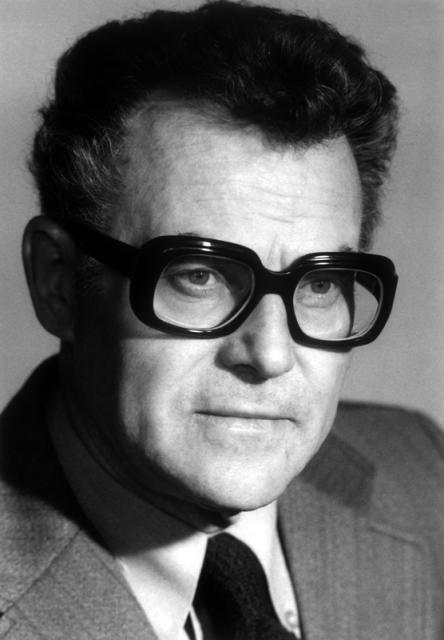
After his time in Moscow, Sequens went to Paris to study at the renowned Institut des hautes études cinématographiques. Upon returning to Prague, he worked as a director at a small theater and soon became the artistic director. At the same time, he joined the Barrandov Studios, founded by the Havels, one of whom was the father of Václav Havel, the first president of the independent Czech Republic.
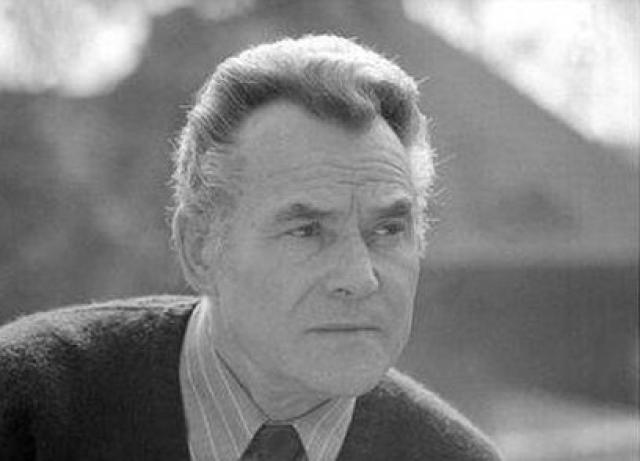
Sequens' first independent work as a director was the film "The Road to Happiness," released in 1951. Although the film was well-received by the public, it also sparked some controversy due to its portrayal of the opening and construction of agricultural cooperatives. Critics accused Sequens of being too loyal to the government, a criticism that would follow him throughout his career.
One of Sequens' most famous works is the 13-episode film "Sinful People of Prague," which gained tremendous popularity in the late 1960s. However, his most significant work was the multi-episode film "Thirty Cases of Major Zeman," which depicted the adventures of a national security agent in his fight against enemies of socialist Czechoslovakia. The creation of this film sparked debates about Sequens' intentions, with some questioning whether it was a result of party influence or his own desire for propaganda.
In 1989, Sequens retired from the film industry, declining several serious offers. He battled various health issues in his later years but, according to doctors, no serious illnesses were detected. On January 21, 2008, Sequens passed away peacefully in his sleep at a hospital in Prague. He remains one of the most controversial figures in Czech cultural history, known for his ability to maintain neutrality in a politically charged era.


