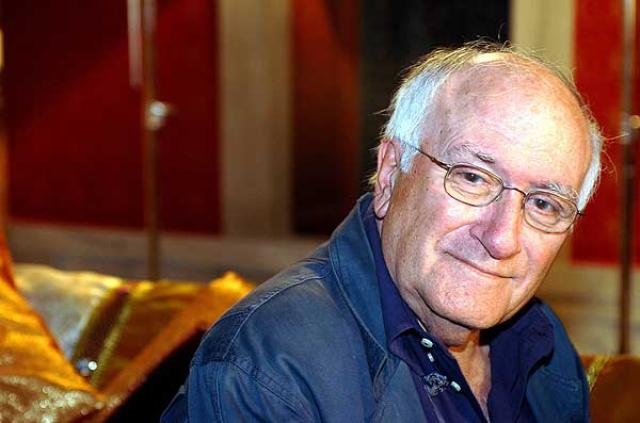
Vicente Aranda
 Spain
Spain- Biography of Vicente Aranda
- Early Filmmaking Career
- Breakthrough and Success
- Collaboration with Victoria Abril
Biography of Vicente Aranda
Early Life and Education
Vicente Aranda was born in Barcelona, Spain in 1926. He grew up in a large family with limited means, and his father, a photographer, passed away when Aranda was only 7 years old. Due to the difficult financial situation, Aranda was unable to finish school and started working at the age of 13 to help support his family. Despite his mother's protests, Aranda developed a deep fascination with cinema during his teenage years and would often spend his time watching movies.
Time in Venezuela and Return to Spain
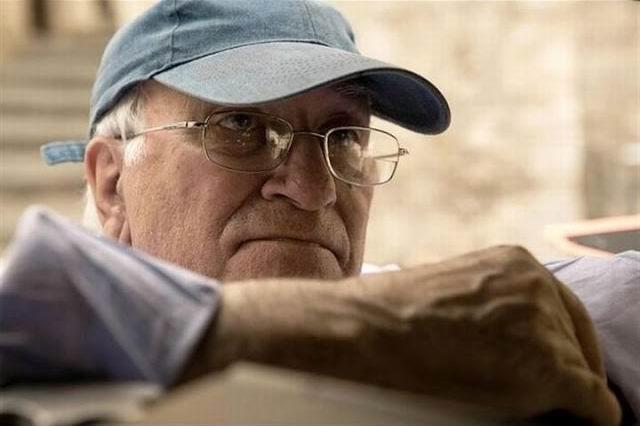
In 1952, Aranda moved to Venezuela with his brother and spent seven years living there. In 1959, he returned to Spain and got married. Initially, Aranda aspired to become a writer but soon realized that he lacked the talent for it. He then decided to pursue a career in film and attempted to enroll in a film school in Madrid. However, he was rejected due to the lack of a basic school education.
Early Filmmaking Career
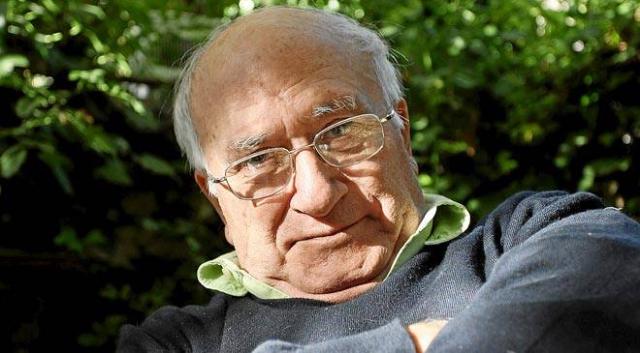
Undeterred, Aranda began his filmmaking journey as a self-taught director in Barcelona. In 1964, he released his first full-length film, "Brillante porvenir," followed by another drama, "Fata/Morgana," in the following year. Aranda's entry into the world of cinema came relatively late in life, as he was already approaching 40 years old. Nevertheless, he gradually carved out his niche in the Spanish film industry.
Breakthrough and Success
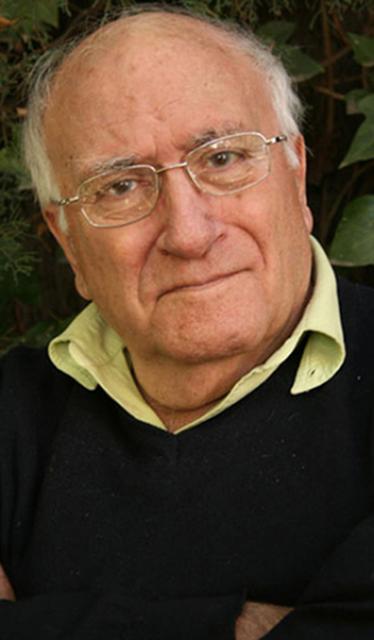
In the 1970s, Aranda directed several films, including the horror movie "La novia ensangrentada," based on Joseph Sheridan Le Fanu's novel. However, it was his bold 1977 film, "Cambio de sexo" (Change of Sex), that garnered significant attention. The film centered around the story of an unfortunate and highly feminine man who explores his transgender identity and travels to another country for gender reassignment surgery. "Cambio de sexo" was one of the first films to address the issue of transsexuality, focusing primarily on the psychological experiences of the protagonist and leaving the physiological aspect off-screen.
Collaboration with Victoria Abril
Aranda played a pivotal role in launching the career of Victoria Abril, one of the finest actresses in contemporary cinema. He cast Abril in several of his films, including "La muchacha de las bragas de oro" (The Girl with the Golden Panties) in 1980, "Tiempo de silencio" (Time of Silence) in 1986, "El Lute: Camina o revienta" (The Lute: Run for Your Life) in 1987, and the outstanding war drama "Si te dicen que caí" (If They Tell You I Fell) in 1989. Aranda continued to collaborate with Abril throughout the 90s, directing her in films such as "Amantes" (Lovers) in 1991 and "Intruso" (Intruder) in 1993.
Later Career and Recognition
Aranda directed a total of thirty films, writing most of the screenplays himself. While some argue that he did not achieve international acclaim despite starting his career relatively late, Aranda remains highly regarded within Spain. His romantic drama "Amantes" received the Goya Awards for Best Film and Best Director in 1991, and his historical drama "Juana la Loca" (Mad Love) won three Goya Awards in 2001.
Personal Life
Vicente Aranda is married to Teresa Font, who has worked as the editor for his films since the 1980s. This is Aranda's second marriage, and Teresa is thirty years his junior. The couple has two daughters together.
Recent Work
Aranda's most recent film, "Canciones de amor en Lolita's Club" (Love Songs at Lolita's Club), was released in 2007.
Overall, Vicente Aranda's contributions to Spanish cinema have earned him a dedicated following and numerous accolades, solidifying his legacy as an influential filmmaker.