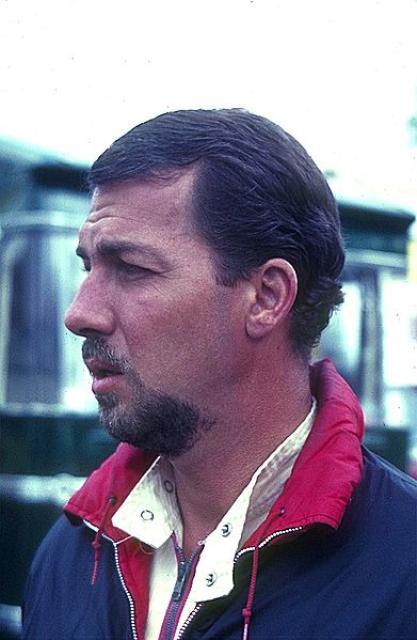
Joakim Bonnier
 France
Biography of Joakim Bonnier
Joakim Bonnier, a Swedish racing driver, was born on January 31, 1930, in Stockholm, Sweden.
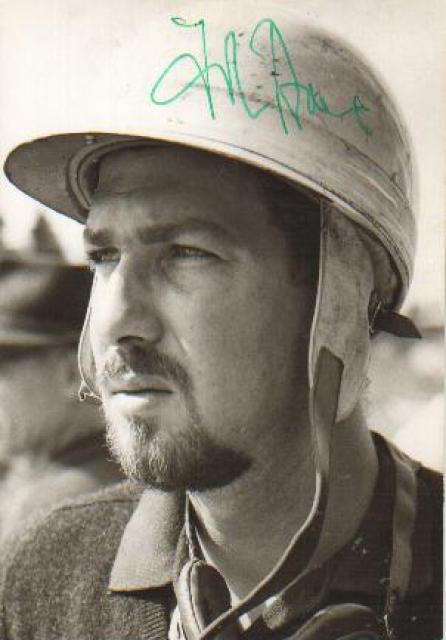
Early Career
In the early 1950s, Bonnier gained recognition for his performances in ice racing with the Alfa Romeo Disco Volante. In 1955, he transitioned to circuit racing and quickly became a leading Scandinavian driver. By 1956, Bonnier was driving for Alfa Romeo GT and later joined the Maserati team after participating in the 1000 Kilometers of Nürburgring.
Formula-1 Career
Bonnier made his Formula-1 debut with Maserati in 1957 and continued to drive for them until 1958. In the late 1958 season, he joined the BRM team and achieved significant success, including a fourth-place finish at the Moroccan Grand Prix and a victory in the Netherlands during the 1959 Formula-1 season.
Although the 1960 season was not as successful for Bonnier, he showcased his talent in several races and forged strong relationships with Porsche, seizing every opportunity to drive for them. In addition to his Formula-1 commitments, Bonnier won the Modena Grand Prix in 1960 and delivered a brilliant victory at the non-championship German Formula-2 Grand Prix in wet conditions.
Bonnier's association with Porsche continued, leading to four remarkable victories in the Targa Florio from 1960 to 1963. In Formula-1, feeling that his talent went unnoticed at BRM, Bonnier joined Porsche in 1961, alongside American teammates Phil Hill and Dan Gurney. Over two seasons, he accumulated six points. Alongside his Formula-1 career, Bonnier excelled in other racing series.
Later Career and Tragic End
When Porsche withdrew from Formula-1, Bonnier joined Rob Walker Racing Team and raced for three seasons with Brabham and Cooper chassis. In 1967, he founded his own team and competed in Formula-1 until 1971. However, his performance declined during these years, and he only scored six points in his last five seasons.
While his best years in Formula-1 were behind him, Bonnier remained strong in sports car racing. He finished second in the 24 Hours of Le Mans in 1964 and won the 1000 Kilometers of Nürburgring in 1966 alongside Phil Hill. In 1970, Bonnier showed excellent results in the European 2000cc Championship after acquiring a Lola chassis.
Unfortunately, tragedy struck on June 11, 1972, during the 24 Hours of Le Mans. Bonnier was involved in a fatal accident, marking the end of his racing career. Despite his untimely death, Joakim Bonnier left a lasting legacy in the world of motorsports.


