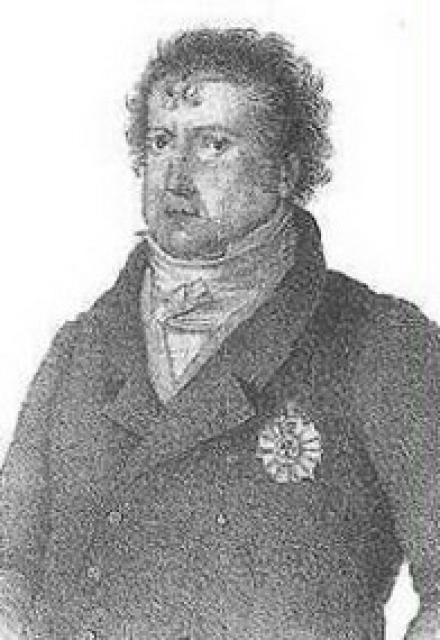
Joao Domingos Bomtempo
 Portugal
- João Domingos Bomtempo: A Portuguese Musical Luminary
- Musical Journey
- Return to Lisbon and Legacy
- Musical Contributions
- Unconventional Composer
João Domingos Bomtempo: A Portuguese Musical Luminary
Early Life and EducationJoão Domingos Bomtempo was born into a musical family, with his father, Francesco Saverio Bomtempo, serving as an oboist in the Portuguese royal orchestra. Recognizing his son's talent, he enrolled him in the music seminary of the Patriarchal See in Lisbon.
Musical Journey
Upon his father's passing in 1795, Bomtempo inherited his position as an oboist in the court chapel, a role he held until his departure for Paris in 1801. In France, he established a reputation as a virtuoso pianist. In 1810, he relocated to London, where he absorbed liberal ideas and forged a friendship with the renowned composer Muzio Clementi, who edited some of Bomtempo's works.
Return to Lisbon and Legacy
In 1822, Bomtempo returned to Lisbon and founded the Royal Philharmonic Society. Following the Miguelist Wars, he was appointed as music teacher to Queen Maria II and became the first director of the Portuguese National Conservatory, established in 1835 as a replacement for the seminary where Bomtempo had once studied.
Musical Contributions
Bomtempo's musical output was prolific, comprising a vast repertoire for the piano, including concertos, sonatas, variations, and fantasies. He also composed two symphonies, the first works in this genre by a Portuguese composer. His masterpiece is considered to be the Requiem, dedicated to the memory of the Portuguese poet Luís de Camões.
Unconventional Composer
Unlike many of his contemporaries, Bomtempo displayed little interest in opera. Instead, he focused on instrumental music, becoming a pioneer in the development of Portuguese classical compositions. His works are characterized by their emotional depth, technical brilliance, and a distinctive blend of Romantic and Classical elements.


