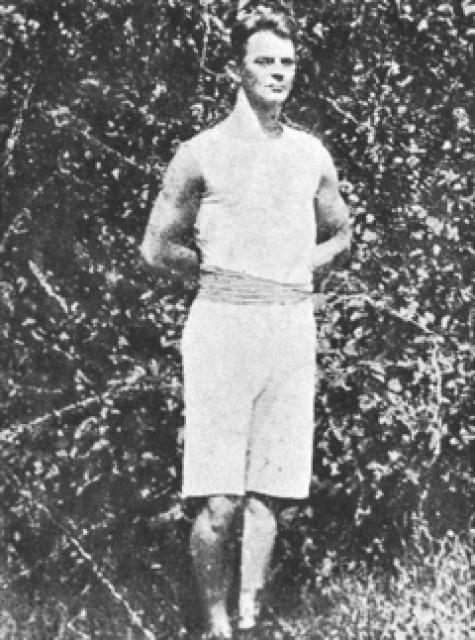
Johan Kemp
 Finland
Johan Kemp was an all-around Finnish sportsman whose Olympic career unfolded while Finland was still a Grand Duchy of the Russian Empire. He helped Finland’s gymnastics team win bronze at the 1908 London Games and also competed in athletics. Away from sport, he became a bank manager and took an active role in Finland’s struggle for greater self-determination.
From Kemppainen to Kemp
Born Johan Valdemar Kemppainen in Helsinki on July 1, 1881, he competed under the shorter surname Kemp. He was affiliated with the Helsingfors Gymnastikklubb and built a reputation as a versatile athlete at a time when Olympic competitors often entered more than one discipline.
At the 1908 Summer Olympics in London, Kemp represented Finland in gymnastics and athletics. He was part of the men’s team that earned bronze in the all-around team event, a major achievement for Finnish gymnastics. In athletics, he entered the freestyle javelin throw; he was also listed for discus and shot put, though he did not start in those events. Finland competed at the Games as a distinct sporting team even though it remained under Russian rule.
Sport and Public Life
Kemp’s public life was shaped by the political tensions of the period. In 1903 he took part in strikes against compulsory conscription into the Russian imperial army. He later continued his activism, at times keeping a low profile for his safety. The campaign reflected wider Finnish opposition to measures that threatened the country’s autonomy.
In 1917 he joined the Lahti White Guard, a local armed organization formed during Finland’s turbulent break from imperial rule. He was involved in the Mommila skirmish that November, a violent confrontation linked to the unsettled political situation on the eve of Finland’s independence. This episode became part of the story of his civic and political life as well as his sporting one.
After the Olympics
Kemp later settled in Lahti and worked as a bank manager. He remained connected to local life after his athletic career, and his experience as an organizer and activist earned him a reputation beyond the gymnasium. He died in Lahti on October 20, 1941, aged 60.
His legacy rests on two contrasting strands: the discipline of an Olympic gymnast and the risks of an activist in a rapidly changing Finland. The 1908 team bronze remains his clearest sporting achievement, while his wider biography places that accomplishment in the national and political history of his time.


