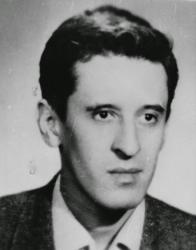
Johann Kaspar Lavater
 Switzerland
- Johann Kaspar Lavater: Swiss Theologian and Physiognomist
- Pastoral Ministry and Theological Writings
- "Physiognomy" and Popular Success
- Influence and Controversies
- Tragic End and Legacy
Johann Kaspar Lavater: Swiss Theologian and Physiognomist
Early Life and EducationJohann Kaspar Lavater was a Swiss writer, theologian, and poet known for his German language works. He was born in Zurich, where he studied theology and embarked on travels to Germany. Upon his return, he published a collection of poems, "Schweizerlieder" (1764), followed by the theological treatise "Aussichten in die Ewigkeit."
Pastoral Ministry and Theological Writings
From 1768 until his death, Lavater served as a pastor in his hometown. He remained active as a theologian, delivering sermons and publishing religious works, including "Jesus Messias," "Joseph von Arimathia," and "Psalmen Davids." He also compiled and published his writings in "Vermischte Schriften" (1774-81) and "Smmtliche kleinere prosaische Schriften" (1784-85).
"Physiognomy" and Popular Success
Lavater's most notable contribution was his four-volume work, "Physiognomische Fragmente" (1772-78), a treatise on physiognomy, the study of facial features as an indicator of character. The publication garnered immense popularity and cemented his reputation as a leading authority in the field.
Influence and Controversies
Lavater's philosophical views were influenced by both pietism and liberalism. He sought to reconcile the perspectives of the Church with societal beliefs, even attempting to harmonize Mesmer's animal magnetism with religion and science. Despite criticism from intellectuals such as Lichtenberg and Musaeus, Lavater's charismatic personality and conviction remained unyielding.
Tragic End and Legacy
Lavater's life ended tragically in 1799 when he was shot by a drunken French marauder while attempting to intervene in a conflict. Before his death, he pardoned his killer and even dedicated a poem to him. His writings and the respect he commanded during his lifetime left a lasting impact on his contemporaries and on intellectual discourse in the 18th century.