Johann Strauss (the Father)
 Austria
- Father and Son: The Strauss Musical Legacy
- Musical Career and Innovations
- Fame and Recognition
- Personal Life and Controversies
- Final Years and Legacy
Father and Son: The Strauss Musical Legacy
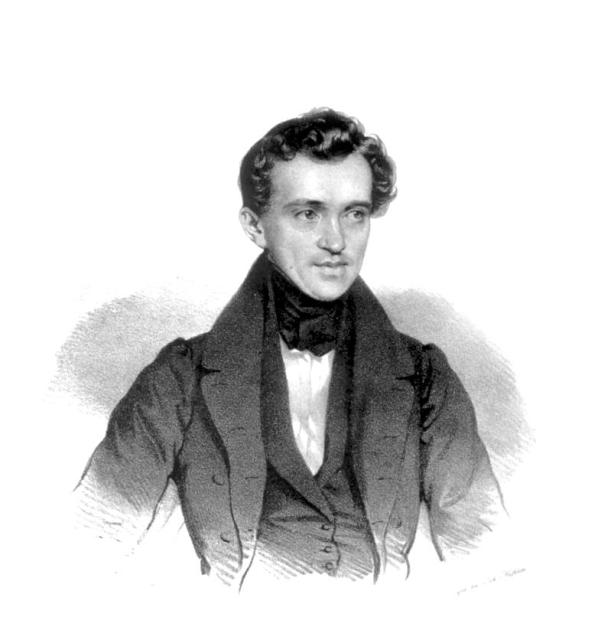
Family Origins and Early LifeJohann Baptist Strauss, also known as Strauss the Elder, was born in the Leopoldstadt district of Vienna in 1804. His father, Franz, was an innkeeper, while his grandfather, Johann Michael, was a Hungarian Jew who converted to Christianity. Strauss' early musical talent was evident from a young age, and he received violin lessons as a child.
Musical Career and Innovations
At the age of 20, Strauss joined the Lanner orchestra as an assistant conductor. He quickly established himself as a talented musician and composer, particularly in the genre of dance music. Strauss's waltzes, polkas, and galops were infectious and popular, and he became known for his energetic and innovative conducting style.
Fame and Recognition
Strauss's orchestra toured extensively throughout Europe, introducing his music to new audiences. He even played at Queen Victoria's coronation ball in England. Strauss's compositions, including "The Blue Danube" and "Radetzky March," became international favorites. He was hailed as the "Waltz King" and is widely considered one of the greatest composers of the Romantic period.
Personal Life and Controversies
Strauss's personal life was tumultuous. His first marriage ended in divorce, and he had numerous affairs. He had a son, Johann Strauss Jr., who also became a successful composer. Strauss's support of the Habsburgs during the Revolutions of 1848 caused a rift between him and his son, who supported the rebels.
Final Years and Legacy
Strauss's last performance was cut short by a broken violin string, and he passed away from scarlet fever in 1849. His son, Johann Strauss Jr., inherited his father's musical legacy and became even more famous. Strauss the Elder's 251 compositions, including over 150 waltzes, remain enduring masterpieces and a testament to his exceptional talent and musical genius.